
To become a paralegal in Canada, you need an accredited diploma or certificate from a recognized institution, typically taking 2-3 years. Ontario requires licensing through the Law Society of Ontario, while other provinces have less stringent regulations. Most Canadian paralegals work in law firms, government offices, or corporate legal departments, with median annual earnings ranging from $45,000 to $65,000, depending on location and experience.
The paralegal profession in Canada offers a rewarding career path for those interested in the legal field without attending law school. Canada employs approximately 22,900 paralegals as of 2022, with the profession continuing to grow as law firms and corporations seek cost-effective legal support services.
Whether you’re considering a career change or just starting your professional journey, understanding the requirements, education pathways, and opportunities available in different provinces will help you make informed decisions about becoming a paralegal in Canada.
Understanding the Canadian Paralegal Profession
According to the Canadian Association of Paralegals (CAP), paralegals are defined as professionals qualified by education, training, and experience to engage in substantive legal work. They perform duties that would otherwise require a lawyer, working independently but under ultimate legal supervision.
The role of paralegals in Canada varies significantly between provinces, influenced by regional regulations, employer preferences, and licensing requirements. Paralegals may also be called law clerks, legal assistants, or legal technicians, depending on the province and specific job responsibilities.


Typical Duties and Responsibilities
Canadian paralegals handle a wide range of responsibilities that increase with experience. Entry-level paralegals typically focus on foundational tasks, while senior paralegals often take on management and strategic responsibilities.
Everyday paralegal responsibilities include:
- Drafting legal documents and correspondence
- Conducting legal research and analysis
- Assisting with real estate transactions and corporate matters
- Effecting registrations and filings
- Communicating with clients and opposing counsel
- Managing case files and maintaining documentation
- Preparing for trials, hearings, and closings
Senior paralegals may also provide staff training, develop internal education programs, assist with business development, and manage departmental operations within their organizations.
Provincial Requirements and Licensing
Canada’s paralegal requirements vary dramatically by province, with Ontario having the most comprehensive licensing system. Understanding your province’s requirements is essential before starting your education.

Ontario: Licensed Paralegals
Ontario is currently the only province with mandatory licensing for paralegals, though British Columbia has approved a licensing framework set to begin in 2025. The Law Society of Ontario (LSO) regulates the paralegal profession, allowing licensed paralegals to provide independent legal services only in specific areas such as Small Claims Court, tribunals, and summary offenses.
Ontario licensed paralegals can:
- Represent clients in Small Claims Court
- Handle matters before administrative tribunals
- Manage traffic offenses and provincial offenses
- Conduct disability appeals
- Handle employment insurance appeals
- Appear before various boards and tribunals
To become licensed in Ontario, you must complete an accredited paralegal education program, pass the licensing examinations, and meet reasonable character requirements. Only licensed paralegals can provide these legal services independently in Ontario.
Ontario has also introduced a pilot Family Law Service Provider license that allows paralegals to provide limited family law services under certain conditions. This new licensing pathway is currently being evaluated and may expand opportunities for paralegals in family law matters.
Other Provinces: Non-Licensed Positions
Outside Ontario, paralegals currently work under lawyer supervision and aren’t required to obtain provincial licenses, though British Columbia’s new licensing framework beginning in 2025 will change this. Professional certification through national organizations remains valuable for career advancement in all provinces.
| Province/Territory | Licensing Required | Regulatory Body | Key Requirements |
|---|---|---|---|
| Ontario | Yes | Law Society of Ontario | Accredited program + licensing exam + articling |
| British Columbia | Starting 2025 | Law Society of British Columbia (framework approved) | New licensing framework being implemented |
| Alberta | No | Voluntary professional associations | A diploma or certificate program is recommended |
| Quebec | No | Voluntary professional associations | Bilingual skills are often required |
| Other Provinces | No | Voluntary professional associations | A diploma or certificate program is recommended |
Salary data source: Government of Canada Job Bank, November 2024. Regional variations reflect local market conditions and cost-of-living differences.
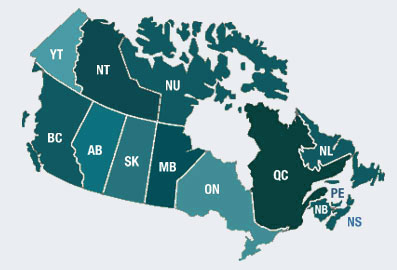
Find Info For Your Province/Territory
British Columbia
Manitoba
New Brunswick
Newfoundland and Labrador
Nova Scotia
Ontario
Prince Edward Island
Quebec
Saskatchewan
Northwest Territories
Nunavut
Yukon Territory
Education Requirements and Pathways
Canadian paralegals typically complete formal education through colleges, universities, or specialized institutions. Your education pathway depends on your career goals, time availability, and whether you plan to work in Ontario or another province.
Certificate Programs
Certificate programs offer the fastest entry into the profession, typically completed in 8-12 months. These intensive programs cover fundamental legal concepts, procedures, and practical skills. They’re ideal for career changers or those seeking quick entry into the field.
Most certificate programs require a high school diploma for admission and focus on practical, job-ready skills in areas like legal research, document preparation, and client communication.
Diploma Programs
Two-year diploma programs provide comprehensive training and are the most common education pathway for Canadian paralegals. These programs combine theoretical knowledge with practical application through internships or cooperative education placements.
Diploma programs typically cover contract law, tort law, family law, criminal law, real estate law, legal research, litigation procedures, and professional responsibility. Many programs include a practicum component where students gain real-world experience.
Degree Programs
Some Canadian institutions offer four-year bachelor’s degree programs in paralegal studies or legal studies. These Canadian paralegal programs provide the most comprehensive education and are valuable for those seeking advanced positions or considering law school.
Degree programs include broader liberal arts education alongside specialized legal training, developing critical thinking, research, and analytical skills at an advanced level.
Online and Part-Time Options
Many Canadian institutions now offer online or hybrid paralegal programs, allowing working professionals to complete their education while maintaining employment. Part-time options typically extend program length but provide flexibility for those with family or work commitments.
For Ontario residents planning to obtain LSO licensing, verify that the Law Society approves online or distance programs before enrolling.
Certification Options
While not required outside Ontario, professional certification demonstrates commitment to the profession and can enhance career prospects and earning potential.
Canadian Legal Assistant Specialist (CLAS)
The CLAS designation, offered through the Canadian Association of Paralegals, recognizes legal assistants and paralegals who meet specific education and experience requirements. This voluntary certification demonstrates professional competence and commitment to ethical practice.
CLAS requirements include:
- Completion of an approved paralegal program
- Minimum work experience in the legal field
- Adherence to the CAP Code of Ethics
- Commitment to continuing professional development
Provincial Association Memberships
The Paralegal Society of Canada and provincial associations offer networking opportunities, continuing education, and professional development resources. Membership demonstrates professional commitment and provides access to industry updates and best practices.
Continuing Education Requirements
Licensed paralegals in Ontario must complete continuing professional development (CPD) hours annually to maintain their license. While not mandatory elsewhere, continuing education helps paralegals stay current with legal developments and enhance their skills throughout their careers.
Salary and Job Outlook
Canadian paralegal salaries vary significantly based on location, experience level, specialization, and employer type. Urban centers typically offer higher wages but also have higher living costs.
National Salary Overview
According to the Government of Canada Job Bank (November 2024 data), the median wage for paralegals and related occupations in Canada is $32.69 per hour, or approximately $68,000 annually. Entry-level paralegals typically earn between $35,000 and $45,000 annually, while experienced paralegals with specialization can earn $60,000 to $80,000 or more. Licensed paralegals in Ontario who operate independent practices may earn significantly higher incomes.
| Experience Level | Annual Salary Range | Typical Responsibilities |
|---|---|---|
| Entry-Level (0-2 years) | $35,000 – $45,000 | Document preparation, basic research, and file management |
| Mid-Level (3-5 years) | $45,000 – $60,000 | Complex research, client communication, and case management |
| Senior (6-10 years) | $60,000 – $75,000 | Department management, training, and strategic planning |
| Specialized/Licensed | $70,000 – $100,000+ | Independent practice, specialized services, and management |
Provincial Salary Variations
Major metropolitan areas offer the highest salaries but also have more competitive job markets. Here’s how salaries compare across major Canadian cities:
| City/Province | Average Annual Salary | Cost of Living Index |
|---|---|---|
| Toronto, ON | $55,000 – $70,000 | High |
| Vancouver, BC | $50,000 – $65,000 | Very High |
| Calgary, AB | $50,000 – $65,000 | Moderate |
| Montreal, QC | $45,000 – $58,000 | Moderate |
| Ottawa, ON | $52,000 – $67,000 | Moderate |
Job Growth and Opportunities
The paralegal profession in Canada continues to grow steadily, with approximately 1,870 annual job openings projected through 2031 according to the Government of Canada Job Bank. As law firms look for ways to provide cost-effective legal services, demand for qualified paralegals increases. In-house legal departments at corporations continue to expand, creating new opportunities for paralegals outside traditional law firm settings.
The Canadian government projects steady growth in legal support occupations, with robust demand in urban areas and in specialized practice areas such as corporate law, real estate, and litigation support.
Career Opportunities and Specializations
Canadian paralegals work in diverse settings, each offering unique opportunities and career paths.
Law Firms
Most Canadian paralegals work in law firms ranging from small practices to large multinational firms. Law firm paralegals may specialize in specific practice areas or work as generalists handling a range of matters.
Small firms often require versatile paralegals who handle multiple practice areas. In contrast, large firms typically hire specialized paralegals who focus on specific legal niches such as corporate transactions, litigation, intellectual property, or real estate.
Corporate Legal Departments
Corporations increasingly hire in-house paralegals to manage legal matters, contracts, compliance, and regulatory issues. Corporate paralegals often enjoy regular hours, comprehensive benefits, and involvement in business strategy alongside legal work.
Government Offices
An estimated 19% of paralegals work in public administration roles. Federal, provincial, and municipal governments employ paralegals in various departments, including legal services, regulatory compliance, law enforcement support, and administrative tribunals. Government positions typically offer job security, excellent benefits, and pension plans.
Non-Traditional Markets
Paralegals also find opportunities in legal aid clinics, community legal clinics, research firms, banks and financial institutions, insurance companies, real estate agencies, and educational institutions. These positions often offer unique work environments and specialized experience.
Independent Licensed Practice (Ontario)
Licensed paralegals in Ontario can operate independent practices, providing legal services directly to clients in their authorized practice areas. This path requires business acumen alongside legal knowledge but offers autonomy and potentially higher earnings.
Common Specializations
- Litigation Support: Assisting with court procedures, discovery, and trial preparation
- Real Estate: Managing property transactions, title searches, and closings
- Corporate Law: Handling incorporations, corporate records, and regulatory compliance
- Family Law: Assisting with divorce, custody, and support matters
- Immigration: Preparing applications and supporting documentation
- Intellectual Property: Managing trademark and patent applications
- Wills and Estates: Preparing wills, powers of attorney, and estate administration
Steps to Become a Paralegal in Canada
Follow these steps to launch your paralegal career in Canada:
- Research Provincial Requirements: Determine whether your province requires licensing and what education is needed. Ontario’s requirements differ significantly from those of other provinces.
- Choose an Accredited Program: Select a certificate, diploma, or degree program that meets your career goals and provincial requirements. For Ontario, ensure the program is LSO-approved if you plan to become licensed.
- Complete Your Education: Dedicate 1-4 years to your paralegal education depending on your chosen pathway. Maintain strong grades and take advantage of internship opportunities.
- Gain Practical Experience: Complete internships, co-op placements, or volunteer opportunities to build real-world skills and professional connections.
- Obtain Licensing (Ontario Only): If working in Ontario as a licensed paralegal, complete the LSO licensing process, including examinations and articling requirements.
- Consider Professional Certification: Pursue voluntary certifications, such as CLAS, to enhance your credentials and demonstrate your professional commitment.
- Build Your Professional Network: Join professional associations, attend legal events, and connect with practicing paralegals and lawyers in your area.
- Launch Your Job Search: Develop a strong resume highlighting your education, skills, and experience. Target positions that align with your interests and specialization.
- Commit to Continuing Education: Stay current with legal developments through ongoing professional development, whether required by regulation or pursued voluntarily.
Essential Skills for Success
Successful Canadian paralegals combine technical legal knowledge with soft skills to excel in diverse professional settings.
Legal Knowledge and Research Skills
A strong understanding of legal principles, procedures, and terminology is foundational. Paralegals must conduct thorough legal research using online databases, case law, statutes, and regulations. Attention to detail when reviewing legal documents prevents costly errors.
Communication Skills
Paralegals communicate regularly with clients, lawyers, opposing counsel, and court personnel. Clear written communication is essential for drafting documents, while strong verbal skills facilitate client interviews and professional interactions. In Quebec and bilingual regions, French language proficiency is often required.
Technology Proficiency
Modern paralegals must be comfortable with legal research databases (LexisNexis, Westlaw), document management systems, case management software, and standard office applications. Many firms also use specialized software for time tracking, billing, and practice-specific tasks.
Organization and Time Management
Managing multiple files, meeting deadlines, and tracking court dates requires excellent organizational skills. Paralegals often juggle several matters simultaneously while ensuring nothing falls through the cracks.
Ethical Judgment
Understanding professional responsibility, confidentiality, and ethical obligations is crucial. Paralegals handle sensitive information and must maintain the highest ethical standards to protect clients and support the administration of justice.
Analytical Thinking
Analyzing legal problems, identifying relevant issues, and developing practical solutions requires strong critical thinking skills. Paralegals must evaluate information, recognize patterns, and apply legal principles to specific situations.
Frequently Asked Questions
Do I need a license to work as a paralegal in Canada?
Currently, only Ontario requires licensing for paralegals. If you want to provide independent legal services in Ontario, you must obtain a license from the Law Society of Ontario. British Columbia has approved a licensing framework set to begin in 2025. All other provinces allow paralegals to work without licensing, though they typically work under lawyer supervision. Professional certification through organizations like the Canadian Association of Paralegals is voluntary but beneficial for career advancement.
How long does it take to become a paralegal in Canada?
The timeline varies based on your chosen education pathway. Certificate programs take 8-12 months, diploma programs typically require 2 years, and degree programs take 4 years. In Ontario, you’ll need additional time for the licensing process, including examinations and articling. Most students enter the workforce within 1-3 years of starting their paralegal education.
What’s the difference between a paralegal and a legal assistant in Canada?
The distinction varies by province. In Ontario, “paralegal” refers explicitly to licensed professionals who can provide specific legal services independently, while “legal assistant” describes non-licensed support staff. Outside Ontario, the terms are often used interchangeably. Generally, paralegals handle more complex legal tasks and have formal legal education, while legal assistants focus on administrative support. However, job titles and responsibilities vary significantly between employers.
Can I become a paralegal through online education in Canada?
Yes, many Canadian institutions offer online or hybrid paralegal programs. These programs provide flexibility for working professionals or those with family commitments. However, if you plan to become a licensed paralegal in Ontario, verify that the Law Society of Ontario approves your online program before enrolling. Some programs may require in-person components for practical training or examinations.
How much do paralegals earn in Canada?
Canadian paralegal salaries range from $35,000 to $80,000+ annually, depending on experience, location, and specialization. Entry-level paralegals typically earn $35,000-$45,000, while experienced paralegals earn $60,000-$75,000. Licensed paralegals in Ontario operating independent practices can earn significantly more. Major cities like Toronto and Vancouver offer higher salaries but also have higher living costs.
Can paralegals represent clients in court in Canada?
Only licensed paralegals in Ontario can represent clients independently, and only in specific legal proceedings, including Small Claims Court (claims up to $35,000), provincial offense matters, traffic offenses, and certain administrative tribunals. Outside Ontario, paralegals cannot provide legal representation independently. They can, however, assist lawyers with trial preparation, attend court with supervising lawyers, and support the litigation process in other ways.
Is the paralegal job market growing in Canada?
Yes, the Canadian paralegal profession shows steady growth. As legal costs increase, law firms and corporations seek qualified paralegals to handle routine legal work cost-effectively. In-house corporate legal departments are particularly expanding, creating opportunities outside traditional law firms. Government agencies, legal aid clinics, and non-traditional employers also increasingly hire paralegals. Job prospects are strongest in major urban centers and specialized practice areas.
Key Takeaways
- Canadian paralegals need accredited diplomas or certificates, with programs taking 1-4 years, depending on the pathway chosen.
- Ontario requires licensing through the Law Society of Ontario for independent practice, while other provinces allow paralegals to work under lawyer supervision without licensing.
- Salaries range from $35,000 for entry-level positions to $80,000+ for experienced or specialized paralegals, with geographic location significantly impacting earnings.s
- Career opportunities exist in law firms, corporate legal departments, government offices, and increasingly in non-traditional settings like financial institutions and community clinics.cs
- Professional certification through organizations like the Canadian Association of Paralegals enhances credentials and demonstrates commitment to the profession.
- The profession continues to grow steadily as employers seek cost-effective legal support, with robust demand in urban centers ain nd specialized practice areas.
Ready to Start Your Paralegal Career in Canada?
Explore accredited paralegal programs across Canada and take the first step toward a rewarding career in the legal field.
Salary Disclaimer: Salary figures for Canadian paralegals reflect research from multiple sources, including job postings, salary surveys, and provincial paralegal associations as of 2024. Actual salaries vary based on location, experience, credentials, employer type, and other factors. Conditions in your area may vary. Data accessed December 2025.