ParalegalEDU.org is written and maintained by our editorial staff rather than credited to individual authors. We name the dataset and release year behind every figure we publish, verify program details against school catalogs and the ABA directory, and choose the schools we write about independently of any advertiser relationship.
Faculty Interviewed
Paralegal Programs Represented
Practitioner Voices
Our Mission
Everyone has questions about the education requirements and professional certification standards for legal support professionals as they start plotting their course into the field.
And invariably, other questions follow: ‘Can I specialize?’ ‘What’s it like working in a law firm?’ ‘What can I expect to be paid?’
Everyone needs help finding answers, not to mention a little guidance from people who have traveled different paths into the field and found their niche in a particular area of law.
That’s where ParalegalEDU.org comes in.
How We Produce This Site
ParalegalEDU.org is written and maintained by our editorial staff rather than credited to individual authors.
Where we publish salary or employment figures, we cite the U.S. Bureau of Labor Statistics by dataset and release year, so you can check the source yourself and judge how current it is. Where we cite industry surveys, such as the NALA National Utilization and Compensation Survey, we name the survey and the year it was conducted. We do not publish a figure we cannot attribute.
Where we list programs, the details come from each school’s own catalog or program page. ABA approval status is checked against the American Bar Association’s directory of approved paralegal education programs. Institutional accreditation is recorded as the school reports it.
Programs change. Schools revise tuition, admission requirements, and course delivery without notice, and approval status can lapse or be granted between our reviews. Always verify current details directly with a school before you enroll or pay anything.
Found something out of date or wrong? Email us at [email protected] and we will correct it.
Everything we publish follows our editorial standards: where our facts come from, how we use AI, and how each article is fact-checked by a person before it’s published.
Accreditation Standards: The Committee Behind ABA-Approved Programs
The American Bar Association’s approval status is one of the strongest signals we look for when we write about a paralegal program, and the standard behind it has moved. The ABA changed its rule in 2020 to allow fully online programs to qualify under a nine-synchronous-credit requirement, reshaping which schools could earn approval. The committee that decides these questions is chaired by someone we’ve spoken with directly.
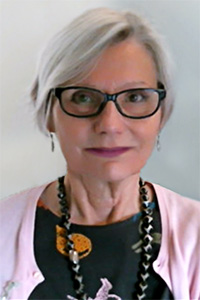
Emerita Faculty, School of Professional Advancement, Tulane University
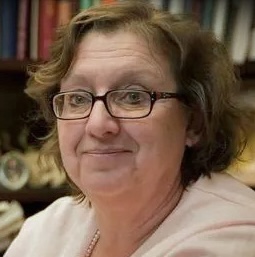
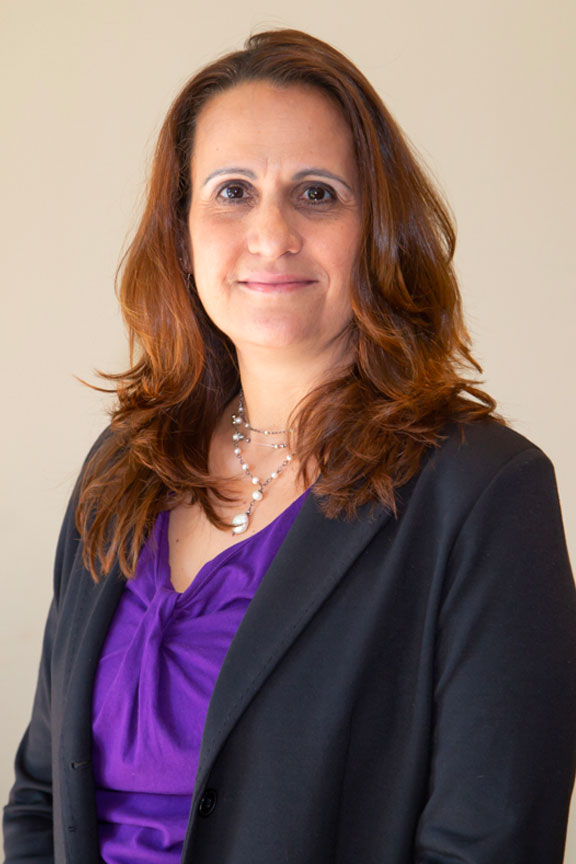
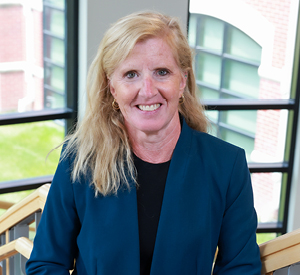
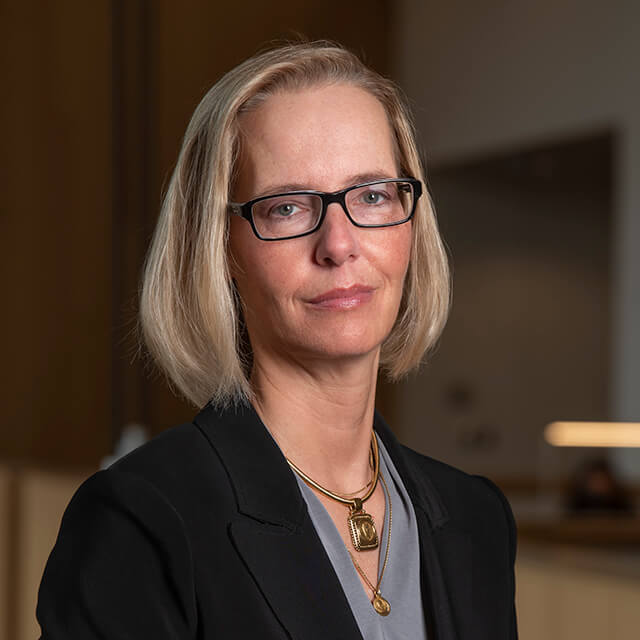
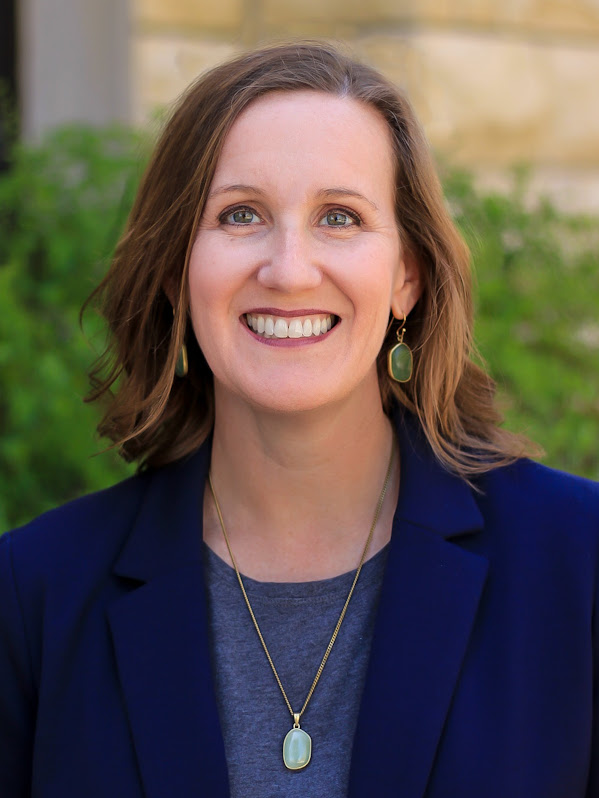
Robyn spoke with us as Professor of Practice and Director of the General Legal Studies program at Tulane’s School of Professional Advancement. She now holds Emerita Faculty status at Tulane, where she received the 2023 Emily Vokes Faculty Service Award, and she chairs the American Bar Association’s Approval Commission, the body that maintains the directory of ABA-approved paralegal programs we cite throughout this site. She holds a J.D. from Georgia State University College of Law, an M.F.A. from the University of Georgia, and a B.F.A. from West Virginia University.
Classroom Standards: The Textbook Many Paralegal Programs Still Teach From
Paralegal students learn substantive law, legal research, and professional ethics from textbooks written by people who’ve spent careers in the classroom. One of the field’s original introductory texts, first published in 1995, is still being revised by the person who wrote it.
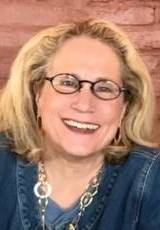
Program Director, Paralegal Studies, and Professor, Madonna University
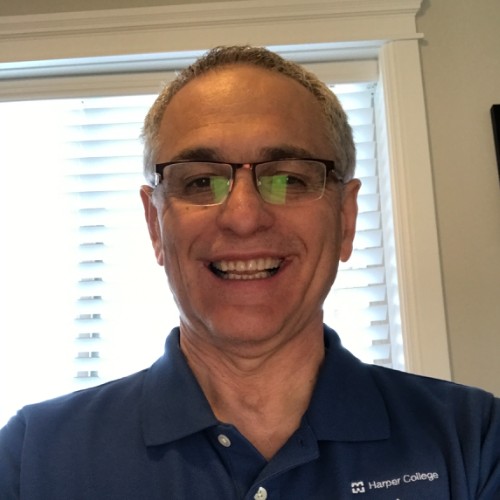
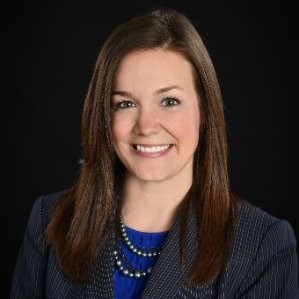
Mary co-authored The Paralegal Today with Roger Miller in 1995, one of the field’s original introductory textbooks, after finding that many paralegal books of the time were written by non-lawyers and contained legal inaccuracies. She still teaches from it and keeps it current. The book is now in its eighth edition, published by Cengage. She holds a J.D. from the University of Detroit Mercy and a B.A. from Michigan State, and is admitted to the State Bar of Michigan.
Advanced Certification, Applied: A Working Paralegal’s Perspective
NALA’s Advanced Certified Paralegal credential sits above its standard CP designation, earned by paralegals who’ve already built a practice and want to specialize further. It isn’t an entry-level credential. One paralegal who holds it also sits on the board of her regional association.
Dana Fischel
Advanced Certified Paralegal, California Advanced Specialist at Law
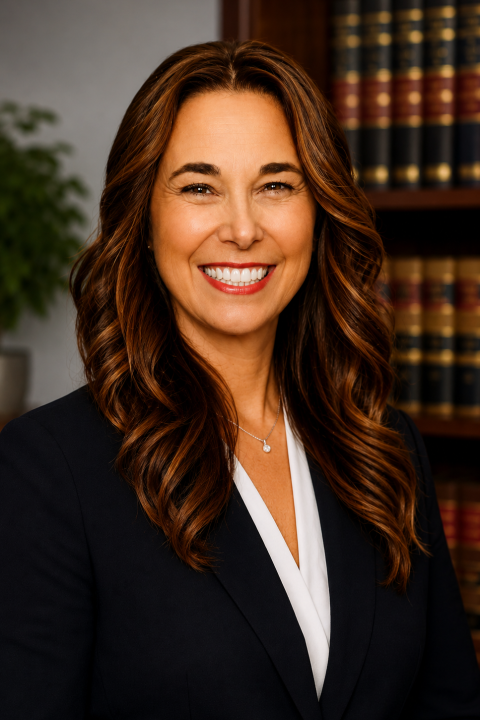
Dana holds both the Advanced Certified Paralegal and California Advanced Specialist at Law designations, and also sits on the Board of Directors of ICAP (Inland Counties Association of Paralegals) where she serves as treasurer.
Our Faculty Interview Series
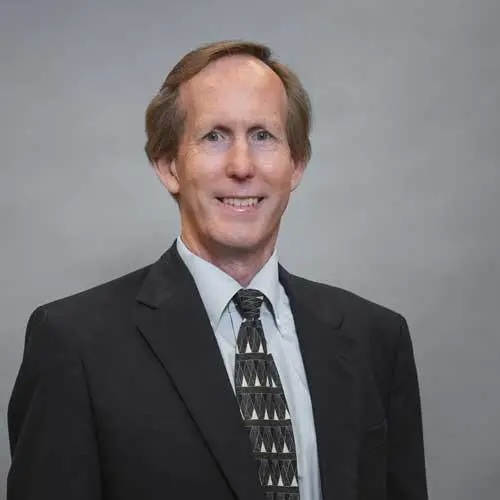
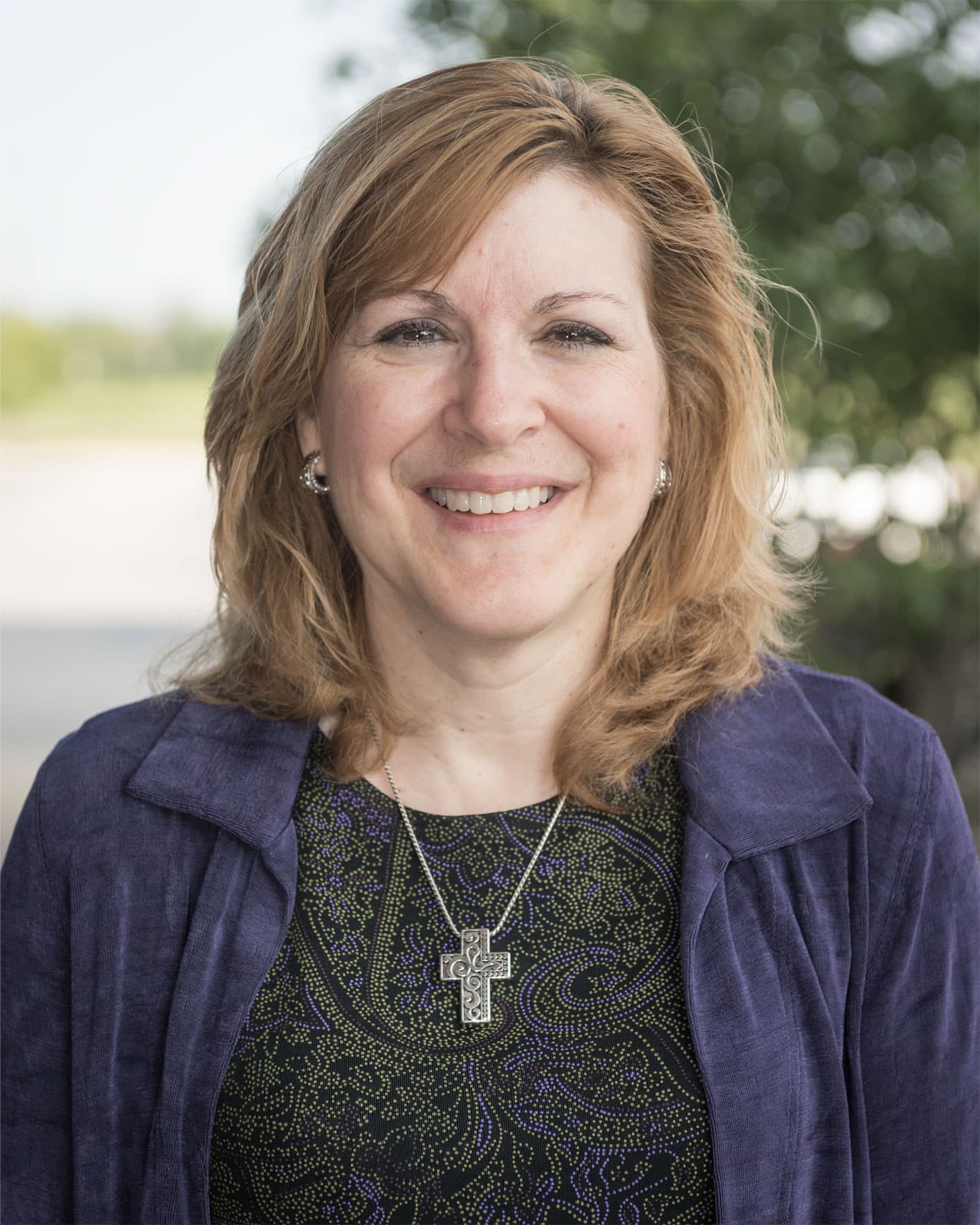
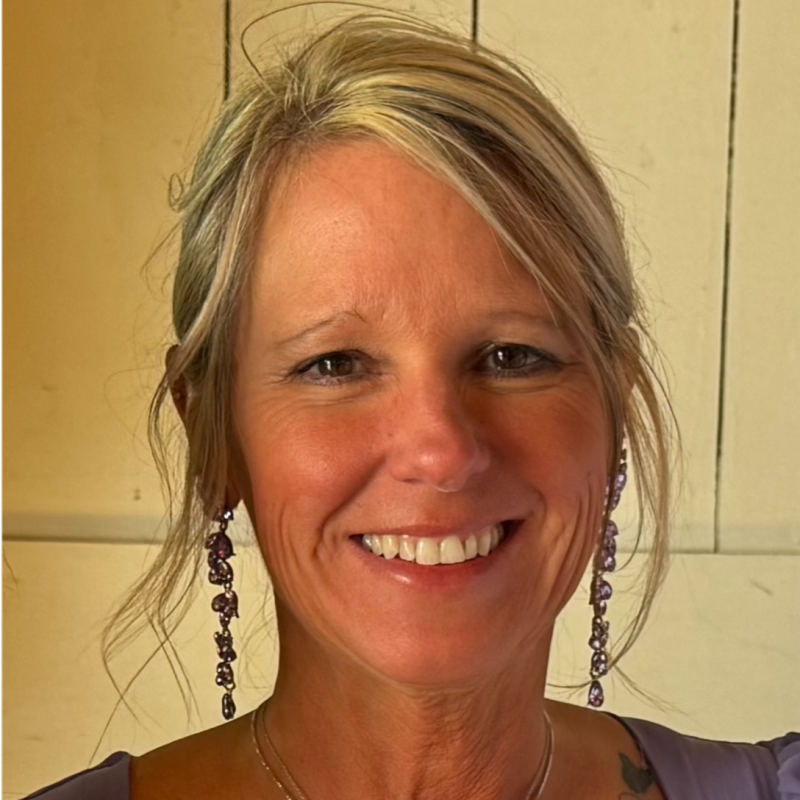
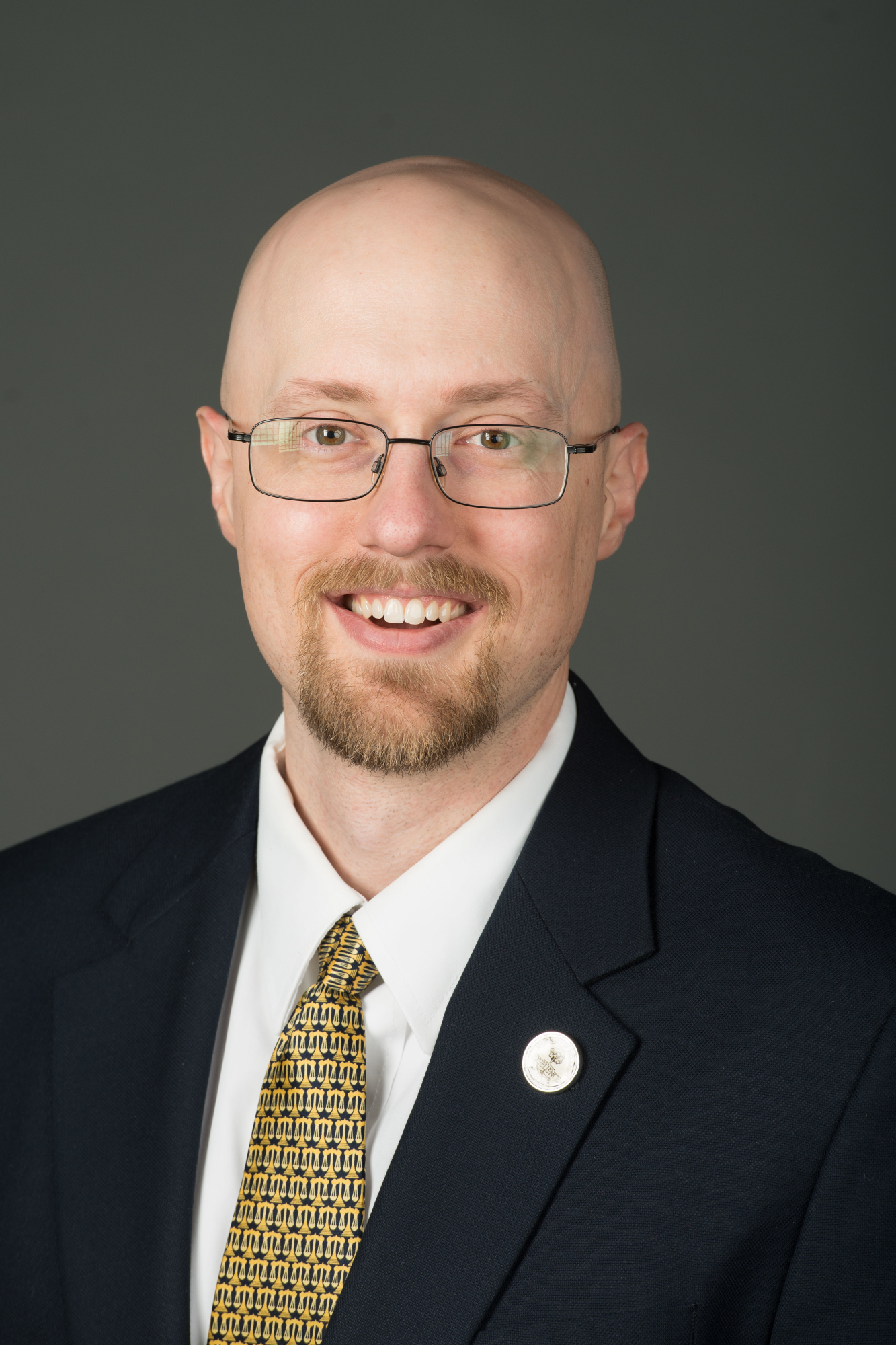
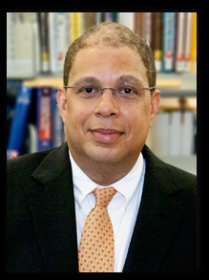
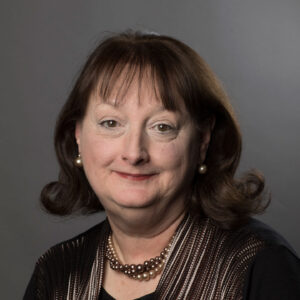
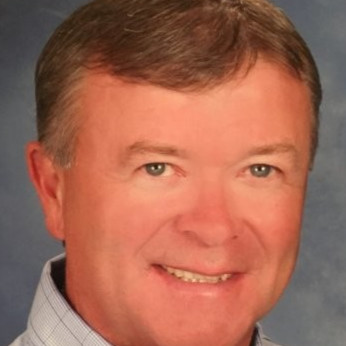
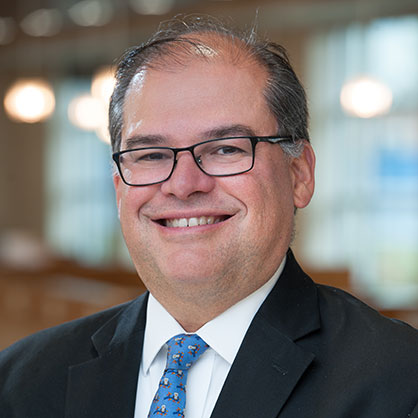
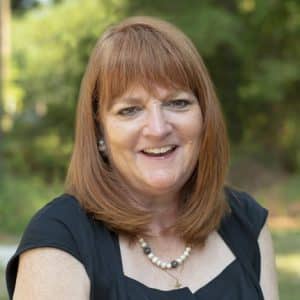
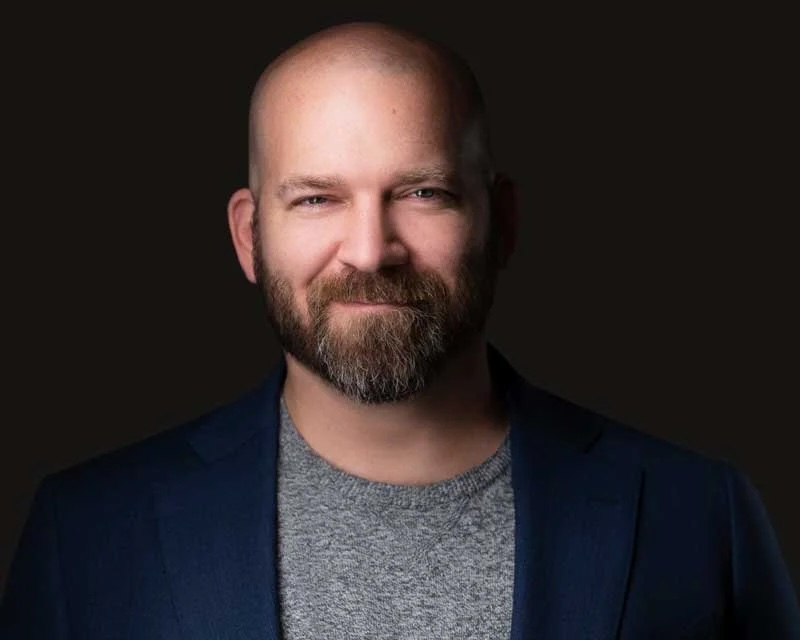
We’ve also interviewed instructors who run paralegal programs at colleges and universities around the country, asking them what they look for in students, how their programs are structured, and what graduates go on to do. Those conversations are published in our paralegal studies faculty interview series, representing 43 programs and 45 faculty members, and short excerpts appear on relevant pages across the site. Robyn Ice and Mary Meinzinger Urisko are two of them. Here is the complete roster.
AA

EA
GW
JH

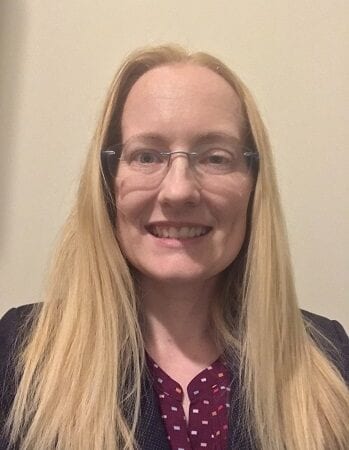
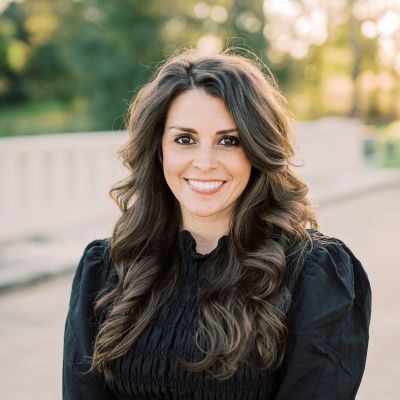
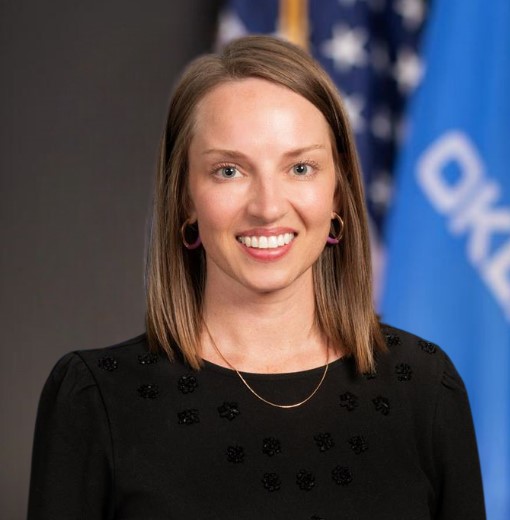
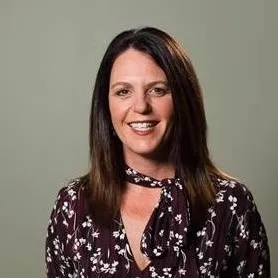
MM

PC
RR
Being quoted on this site isn’t the same as writing or reviewing what appears here. The faculty above spoke with us about their own programs and their own students. The practitioners elsewhere on this page told us about their own careers. None of them authored, edited, or fact-checked our guides, and none of them are responsible for anything on this site beyond the words attributed to them. Every quote is reproduced verbatim, attributed by name and institution, and linked back to the full interview so you can read the surrounding context.
Voices From the Field
Much of what makes this site useful also comes from practicing paralegals and legal professionals who told us about their own careers, how they got into the field, what they chose to specialize in, and what the work is actually like day to day. Their interviews are published here in full, and they inform how we write about career paths and specialization. Dana Fischel is one of them.
Read the rest in their own words:
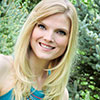
Gabrielle Crisp
Certified Legal Professional (CLP), Springfield, Missouri
Gabrielle works for a small firm where she specializes in family law. She holds the honor of being named 2017 Paralegal of the Year for the Springfield area.
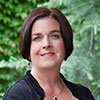
Dana Medley-Vogel
Paralegal, family and employment law
Dana holds a BS in Medical Technology from Missouri State University and a BS in Paralegal Studies from William Woods University. She has been working in the legal field for a decade, primarily in the areas of family law, employment law, civil litigation and personal injury litigation.
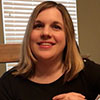
Angela M
Paralegal turned corporate contract administrator
Angela is a master’s-prepared educator turned paralegal with an associate’s degree in Paralegal Studies and 11 years experience in litigation. She has more recently gone on to work in a corporate legal department as a contract administrator in business development.
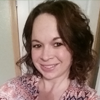
Kristy Russell
Paralegal, civil litigation and estate planning
Kristy holds an AAS in Computer Programming and a bachelor’s in Paralegal Studies. She has had a dynamic career, starting out as a docket clerk with the Missouri Office of the Attorney General before moving into civil litigation, family law and estate planning as a paralegal with her current employer.
RT
Rose M. Turzak, Esq.
Attorney, formerly a paralegal
Rose is a long-time paralegal who had the ambition to continue her education, earn her Juris Doctorate, take her state bar exam and become an attorney, licensed first in Ohio then in Pennsylvania.
The same is true here as above. They told us their stories. They don’t write our content.
What We Offer
ParalegalEDU.org provides comprehensive resources for aspiring and current paralegals, including:
- The latest news and coverage of current events that impact the legal profession
- State-specific guides that detail any state-level certification options, the legal scope of practice under state laws, as well as additional resources like local law firms and professional associations
- Student resources including comprehensive lists of ABA-approved programs, programs available through accredited schools, and internship opportunities
- Career resources including salary data by state, and information on career advancement through specialization and additional certification
All content is produced and maintained by our editorial staff, working from primary sources and from the firsthand accounts published on this site.
ParalegalEDU.org is an independent education resource. We aren’t affiliated with any law firm, court, bar association, or licensing body, and nothing here is legal advice. Our guides explain what the rules say and where they come from. Whether you personally meet them is a question for the relevant state authority or a licensed attorney.
How Schools Appear on This Site
Two different things on this site mention schools, and you should be able to tell them apart at a glance.
Sponsored listings are paid placements, and they’re labeled as sponsored wherever they appear. When you request information through one, your details go to that school.
The schools discussed in our articles are a separate matter. Those are selected by our editorial staff on the merits, independently of any advertiser relationship. A school appearing in a state guide didn’t pay to be there, and a school that advertises with us gets no editorial preference. If a program is the strongest option in a state, we say so, and if it has a catch worth knowing about, we say that too.
How We Handle Salary and Job Data
Career and salary decisions have real money attached, so a few rules govern how we present the numbers.
We don’t reconcile figures from different statistical programs. Government wage surveys and government employment projections count jobs using different methods and produce different totals. Neither is a correction of the other. Where they differ, we say so rather than quietly picking one.
We don’t mix projection cycles. National and state job outlooks are currently on different schedules. A page citing both labels each figure with its own years, so an older projection is visible as an older projection rather than passing as current.
We describe percentiles accurately. A 10th or 90th percentile wage is a position in the pay distribution, not a career stage. A paralegal with twenty years in a rural practice can sit near the bottom of the range and a newer one in a major market can sit near the top. Relabeling these as “entry-level” and “top earners” would tell you something the data doesn’t say.
To get in contact with us for updates or anything else, please email [email protected].