North Carolina doesn’t require paralegal certification, but offers voluntary North Carolina Certified Paralegal (NCCP) credentials through the State Bar. Paralegals here earn a median annual salary of $49,390, with strong job growth projected through 2032. The state hosts over 25 paralegal programs, including 10–12 that are ABA-approved and others accredited or aligned with AAfPE standards.
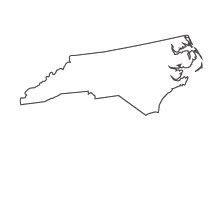
Long ranked among the best states in the nation for its business-friendly environment, North Carolina is a hub for corporations such as Lowe’s, Bank of America, and Honeywell. Charlotte, Raleigh, Greensboro, Durham, Winston-Salem, and more: North Carolina is home to multiple large metro areas where business thrives, and opportunities for paralegals abound.
Whether you have an interest in corporate law, bankruptcy law, litigation, or estate law, your solid work ethic, organizational prowess, and ability to thrive under pressure are a perfect match for a career as a paralegal. People are flocking to North Carolina in droves thanks to its low unionized workforce, business-friendly climate, and thriving legal market. With 12,270 paralegals employed statewide and projected growth of 11% through 2032, there’s never been a better time to start your paralegal career in the Tar Heel State.
Education & Certification Requirements
Before you can become part of this exciting profession, you’ll need to understand how to become a paralegal in North Carolina. The good news is that North Carolina doesn’t require certification to work as a paralegal. You can legally work with various educational backgrounds, from certificate programs to bachelor’s degrees in paralegal studies.
The paralegal-attorney relationship in North Carolina is governed by Rule 5.3, which concerns the Professional Responsibilities of Lawyers to Nonlawyer Assistants. Lawyers must directly supervise paralegals and assume responsibility for paralegals’ conduct when executing work assigned by the lawyer. Additionally, lawyers may not ask paralegals to perform tasks that would constitute “practicing law without a license.”
Educational Pathways
The body of knowledge required to perform legal support services effectively can only be gained through a formal education in paralegal studies. As attorneys, corporations, and government agencies work within an increasingly complex legal framework, the level of responsibility they expect paralegals to take on has also increased. Law offices and other employers in North Carolina have come to rely on paralegals with the kind of expertise that can only come from earning a certificate or degree in paralegal studies.
There’s no shortage of opportunities for legal support staff in large metro areas, but in North Carolina, paralegals also have a strong presence in small-town firms and court systems. In fact, in 2016, the US Department of Labor reported that rural Piedmont employs the highest number of paralegals of all non-metro areas in the nation.
North Carolina Certified Paralegal (NCCP)
With so many paralegals at work in North Carolina, the North Carolina State Bar (NCSB) created a Plan for Paralegal Certification, which was adopted by the North Carolina Supreme Court in 2004. Under this plan, paralegals may voluntarily choose to become certified and use one of the following titles: North Carolina Certified Paralegal, North Carolina State Bar Certified Paralegal, Paralegal Certified by the North Carolina State Bar Board of Paralegal Certification, or NCCP.
The NCCP certification process involves meeting educational standards and passing an examination offered by the NCSB. While it’s legal to work in North Carolina without meeting the NCCP requirements, many paralegals choose education as their entry point into a career to be competitive in their job search and to have the option to certify.
NCCP Educational Requirements
Educational requirements for North Carolina certification are:
- An associate, bachelor’s, or master’s degree in paralegal studies
- A juris doctorate from a law school
- An associate or bachelor’s degree in another field, complemented by a post-baccalaureate certificate in paralegal studies
Degree and certificate conferring educational institutions must also meet qualifications, and be either American Bar Association (ABA) approved, American Association for Paralegal Education (AAfPE) approved, or offer a program that would meet ABA/AAfPE standards and be accredited by the United States Department of Education. There is no path to certification for paralegals without formal education.
Additional Requirements
To earn the NCCP credential, you must:
- Be a US citizen
- Have a paralegal studies degree from a program approved by the ABA or the North Carolina State Bar
- Pass an examination
Once you’ve earned the NCCP, you can refer to yourself as:
- North Carolina Certified Paralegal (NCCP)
- North Carolina State Bar Certified Paralegal (NCSB/CP)
- Paralegal Certified by the North Carolina State Bar Board of Paralegal Certification
National Certification Options
The terms “certificated paralegal” and “certified paralegals” are sometimes interchanged, although they signify different things. Some educational programs issue certificates instead of degrees. Certified paralegals have completed a certificate program. Some programs admit students without a prior degree, while others, called post-baccalaureate certificate programs, require a degree in any field as a prerequisite. In North Carolina, it’s legal to work with a non-baccalaureate certificate, but only a post-baccalaureate certificate qualifies a paralegal to become an NCCP.
National certification, through which paralegals become certified paralegals, is another pathway to demonstrate proficiency in the paralegal profession, though it’s not recognized for certification purposes within North Carolina. To be eligible for national certification, paralegals must meet requirements for education, work experience, or a combination of the two. Paralegals who meet those requirements may then take a national certification exam. Requirements for the national exams differ between the three national paralegal organizations. Currently, there are four exams from which to choose:
- The PACE and PCCE are offered by the National Federation of Paralegal Associations (NFPA)
- The CLA/CP provided by the National Association of Legal Assistants (NALA)
- The PP supplied by the Association for Legal Professionals (NALS)
ABA-Approved Paralegal Programs in North Carolina
As the NCCP certification plan requires that educational programs meet ABA or AAfPE educational standards and be accredited, program choices should be thoroughly researched. The American Bar Association (ABA) approval ensures that paralegal programs meet rigorous academic standards, including appropriate curriculum content, qualified faculty, and sufficient resources.


Whether you’re looking to advance in your position with the District Attorney in Mecklenburg County, or the Wake County Public Defender’s office in Raleigh, or one of the big firms in a downtown skyscraper, then again, maybe you’re just wrapping up high school and have your sights set on landing your first job with one of these major players in North Carolina’s legal system, or maybe you’ve been grinding along in some other field for the past few years. Now you’re looking to become a paralegal to get the respect and pay you know you deserve, finally.
The profiles of average paralegal students can vary widely, but they’re all faced with a standard set of questions. The biggest one being: how can I find a quality online program, and how do I know if it’s right for my particular situation?
Paralegal Schools & Training Options in North Carolina
North Carolina offers a wide range of paralegal education options, from associate degrees and certificates to post-baccalaureate programs. Many programs offer flexible scheduling with online, hybrid, and evening classes to accommodate working students.
North Carolina Paralegal Schools
Alamance Community College
AAS in Office Administration with a Legal concentration – Campus
Caldwell Community College and Technical Institute
AAS in Paralegal Technology – Campus
Family Law Certificate – Campus
Wills and Estates Certificate – Campus
Cape Fear Community College
AAS in Paralegal Technology – Campus
Diploma in Paralegal Technology – Campus
Civil Litigation Certificate – Campus
Real Property Certificate – Campus
Carteret Community College
Paralegal Technology Associate’s Degree – Campus and some online
Paralegal Diploma (post-bac) – Campus and some online
Central Carolina Community College
AAS in Paralegal Technology – Campus and some hybrid
Paralegal Technology Diploma (post-associate) – Campus and some hybrid
Central Piedmont Community College
AAS in Paralegal Technology – Campus, hybrid, and some online
Diploma in Paralegal Technology (post-bac) – Campus, hybrid, and some online
Coastal Carolina Community College
AAS in Paralegal Technology – Campus
Paralegal Technology Diploma – Campus
Paralegal Certificates – Campus
Davidson County Community College
AAS in Paralegal Technology – Campus
Paralegal Civil Litigation Certificate – Campus
Paralegal Real Estate Certificate – Campus
Durham Tech
AAS in Paralegal Technology – Campus and partially online
Paralegal Technology Diploma – Campus and partially online
Fayetteville Technical Community College
AAS in Paralegal Technology – Campus
Paralegal Diploma (post-bac) – Campus
Forsyth Technical Community College
AAS in Paralegal Technology – Campus
Paralegal Technology Diploma (post-associate) – Campus
Paralegal Technology Legal Assistant Certificate – Campus
Gaston College
AAS in Paralegal Technology – Campus and some online
Paralegal Technology Certificate – Campus and some online
Guilford Technical Community College
AAS in Paralegal Technology – Campus
Paralegal Technology Certificate – Campus
Johnston Community College
Associate Degree in Paralegal Technology – Classroom and online
General Law Office Certificate (post-associate) – Classroom and online
Meredith College
Paralegal Certificate (post-bac) – Campus
Pitt Community College
Associate Degree in Paralegal Technology – Campus and some online
AAS in Legal Office Administration – Campus
Paralegal Technology Diploma (post-bac) – Campus and some online
Legal Office Administration Certificate – Campus
South Piedmont Community College
AAS in Paralegal Technology – Campus and some online
Paralegal Technology Diploma – Campus and some online
Paralegal Technology Certificate – Campus and some online
Southwestern Community College
AAS in Paralegal Technology – Campus
Paralegal Technology Certificate – Campus
Surry Community College
Associate Degree in Paralegal Technology – Campus
Certificate in Paralegal Technology – Campus
Vance-Granville Community College
AAS in Paralegal Technology – Campus and some online
Paralegal Technology Certificate – Campus and some online
Paralegal Technology Diploma – Campus and some online
Western Piedmont Community College
AAS in Paralegal Technology – Online with some campus-based courses
Wilson Community College
AAS in Paralegal Technology – Campus
Paralegal Diploma – Campus
Paralegal Certificate (post-associate) – Campus and online
Salary & Compensation in North Carolina
North Carolina’s economic climate equates to more opportunities than ever before for paralegals who lend their talents to the Tar Heel State’s legal services industry. According to the American Bar Association, the number of active lawyers in North Carolina increased by 17.1% from 2011 to 2021, totaling 26,515 attorneys as of 2024. This growth translates directly to increased demand for paralegal services.
North Carolina ranks among the top-10 states with the most significant number of paralegals: 12,270 professionals as of May 2024.
Statewide Salary Overview
As of May 2024, North Carolina paralegals earn competitive salaries with room for significant growth. The median annual wage is $49,390, while the mean (average) salary is $56,810. With extensive experience, particularly in a specific area of law such as commercial litigation, corporate law, immigration law, or family law, paralegals here can enjoy significant increases in both opportunities and pay. The top earners in the profession (90th percentile) earn $82,380 and up.
| Percentile | Annual Salary | Hourly Wage |
|---|---|---|
| 10th (Entry-Level) | $32,680 | $15.71 |
| 25th | $39,860 | $19.16 |
| 50th (Median) | $49,390 | $23.75 |
| 75th | $64,090 | $30.81 |
| 90th (Experienced) | $82,380 | $39.60 |
Salary by Major City
Charlotte, Raleigh, and Durham all reported average salaries for paralegals that easily beat out the state average as of May 2024. Paralegals in these metro areas enjoy average salaries hovering around $60,000. Charlotte’s top earners even break the $100k mark.
| Metropolitan Area | Mean Annual Salary | Mean Hourly Wage | Top 10% Earners |
|---|---|---|---|
| Charlotte | $61,960 | $29.79 | $101,450 |
| Raleigh | $60,390 | $29.04 | $86,150 |
| Durham | $58,190 | $27.98 | $90,950 |
| Winston-Salem | $53,270 | $25.61 | $76,420 |
| Greensboro | $52,750 | $25.36 | $75,720 |
| Asheville | $54,960 | $26.42 | $72,820 |
| Wilmington | $51,500 | $24.76 | $75,330 |
| Fayetteville | $49,380 | $23.74 | $64,730 |
Additional Cities
Asheville:
- Average: $54,960 ($26.42 hourly)
- Top 10%: $72,820 ($35.01 hourly)
Burlington:
- Average: $48,970 ($23.54 hourly)
- Top 10%: $61,080 ($29.36 hourly)
Goldsboro:
- Average: $49,990 ($24.04 hourly)
- Top 10%: $74,220 ($35.68 hourly)
Greenville:
- Average: $47,730 ($22.95 hourly)
- Top 10%: $66,430 ($31.94 hourly)
Hickory:
- Average: $48,920 ($23.52 hourly)
- Top 10%: $59,080 ($28.41 hourly)
Jacksonville:
- Average: $50,130 ($24.10 hourly)
- Top 10%: $74,960 ($36.04 hourly)
Pinehurst:
- Average: $49,150 ($23.63 hourly)
- Top 10%: $61,790 ($29.71 hourly)
Rocky Mount:
- Average: $48,540 ($23.34 hourly)
- Top 10%: $61,840 ($29.73 hourly)
Job Outlook & Career Growth
The future looks bright for paralegals in North Carolina. Employment projections from the Bureau of Labor Statistics show strong growth through the next decade.
2022-2032 Employment Projections
| Metric | Value |
|---|---|
| 2022 Employment | 12,910 paralegals |
| 2032 Projected Employment | 14,330 paralegals |
| Total Job Growth | +1,420 jobs |
| Percent Change | +7.8% |
| Average Annual Openings | 1,420 per year |
This 7.8% growth rate exceeds the national average for all occupations, reflecting North Carolina’s expanding legal services sector and the increasing complexity of legal work that requires skilled paralegal support.
Career Advancement Opportunities
Paralegals in North Carolina can advance their careers through:
- Specialization in high-demand areas like corporate law, intellectual property, or healthcare compliance
- Senior paralegal positions with supervisory responsibilities
- Paralegal manager or legal operations roles
- Transition to litigation support or e-discovery specialist positions
- Compliance officer roles in corporate settings
Professional Associations
The North Carolina Paralegal Association (NCPA), founded in 1980, has worked for over 30 years to develop a strong paralegal network across the state and to advocate for the interests of paralegals in discussions on regulation, educational standards, and related matters. The NCPA championed the North Carolina Certified Paralegal plan as part of its commitment to raising the professional status of paralegals and demonstrating a commitment to ongoing education. The NCPA continues to respond to the needs and interests of its members by introducing new programs, partnering with Legal Aid of North Carolina to offer pro bono services, and providing continuing legal education (CLE) on hot topics in the paralegal profession.
North Carolina Paralegal Association (NCPA) Membership Levels
General Member – Open to North Carolina residents who meet one of the following:
- Paralegal school graduate who is or has been employed as a paralegal
- Three years of continuous on-the-job paralegal training
- NALA certification as a Certified Paralegal (CP)/Certified Legal Assistant (CLA)
- North Carolina Certified Paralegal (NCCP)
Associate Member – Open to North Carolina residents who meet one of the following:
- Employed paralegals who have been working for less than three years
- Graduates of paralegal training programs with no work experience
- Paralegal educators
- Licensed practicing attorneys
- Former General Members
- Meets General Membership eligibility but resides out of state
Student Member – Open to students enrolled in a paralegal education program
Patron/Sustaining Member – Open to persons and entities who support the NCPA
Affiliate Member – Open to paralegal associations in North Carolina
Paralegal Educational Program – Open to schools that offer paralegal education programs
Regional Professional Associations
Many professional associations provide networking opportunities, develop working relationships with local bar associations, and offer ongoing education and professional development.
Raleigh-Wake Paralegal Association (RWPA) – Offers two levels of membership:
General Membership – Open to individuals who meet one of the following:
- Is or has been employed under the direct supervision of a licensed attorney
- Has completed a paralegal training program
- Is currently a North Carolina Certified Paralegal (NCCP)
- Is an educator associated with paralegal training programs
Student Membership – Open to those enrolled in a paralegal training program
Metrolina Paralegal Association (MPA) – Affiliated with the National Association of Legal Assistants (NALA), the MPA offers three levels of membership:
General Member – Open to those who meet one of the following:
- North Carolina Certified Paralegal (NCCP) credential
- Certified Paralegal (CP)/Certified Legal Assistant (CLA) credential from NALA
- Graduate of a paralegal program and currently employed as a paralegal
- Three years of on-the-job paralegal training
Associate and Student Members – Open to those who meet one of the following:
- A graduate of a paralegal program, but not currently employed
- Less than three years of paralegal work experience
- Enrolled as a student in a paralegal program
- Individuals, attorneys, and paralegal program representatives who endorse the paralegal concept
Patron – Open to persons and entities who support the goals of the MPA
Cumberland County Paralegal Association (CCPA) – Offers three levels of membership:
General – Open to those who live in Cumberland County who meet one of the following:
- Graduate of a paralegal program with current or previous paralegal employment experience
- Two years of on-the-job training as a paralegal
- Certified Paralegal (CP) or Certified Legal Assistant (CLA) credential from the National Association of Legal Assistants (NALA)
Associate – Open to those who live in Cumberland County who meet one of the following:
- Six months of paralegal training
- Graduate of a paralegal program
- Paralegal program educators
- Does not live in Cumberland County but otherwise qualifies for General membership
- Licensed North Carolina attorney
Student – Open to students enrolled in a paralegal program
Catawba Valley Paralegal Association (CVPA) – Offers five levels of membership:
- Professional: Open to paralegals, paralegal educators, and those employed in the judicial system
- Associate: Open to retired or unemployed paralegals
- Graduate: Open to recent graduates of paralegal programs
- Student: Open to students enrolled in at least an associate’s degree program in paralegal studies
- Educational Institution: Open to classes of paralegals with at least 25 students
Additional Regional Associations
Top Law Firms in North Carolina
Large law firms are major employers of paralegals in North Carolina. They can be important entry points for new paralegals. North Carolina’s top law firms include:
- Alston & Bird LLP
- Brooks, Pierce, McLendon, Humphrey & L
- Cadwalader, Wickersham & Taft LLP
- Cranfill, Summer & Hartzog LLP
- Hedrick Gardner Kincheloe & Garofalo
- Hunton & Williams LLP
- K & L Gates
- Kilpatrick Townsend & Stockton
- Mayer Brown
- McGuirewoods
- Merritt, Flebotte, Wilson, Webb & C
- Moore & Van Allen PLLC
- Nelson Mullins Riley & Scarborough LLP
- Nexsen Pruet
- Parker, Poe, Adams & Bernstein
- Patterson Dilthey Clay Bryson
- Poyner & Spruill
- Robinson Bradshaw & Hinson
- Smith Moore
- Smith, Anderson, Blount, Dorsett, Mitchell & Jernigan LLP
- The Van Winkle Law Firm
- Ward and Smith, P.A
- Williams Mullen
- Womble Carlyle Sandridge & Rice
- Wyrick Robbins Yates & Ponton
Important Contacts for North Carolina Paralegals
- North Carolina Paralegal Association (NCPA), affiliated with NALA
- Catawba Valley Paralegal Association, Inc. (CVPA)
- Cumberland County Bar Association (CCPA)
- Metrolina Paralegal Association (MPA), affiliated with NALA
- Raleigh-Wake Paralegal Association (RWPA)
- Research Triangle Paralegal Association (RTPA)
- North Carolina Bar Association (NCBA)
- North Carolina State Bar – Board of Paralegal Certification
- North Carolina State Bar – Guidelines for the Use of Paralegals in North Carolina
- North Carolina State Bar – Guidelines for Becoming a Certified Paralegal in North Carolina
- North Carolina Court System
- North Carolina Department of the Secretary of State
Frequently Asked Questions
Does North Carolina require certification to work as a paralegal?
No, North Carolina doesn’t require certification to work as a paralegal. You can legally work with various educational backgrounds. However, the state offers a voluntary North Carolina Certified Paralegal (NCCP) credential through the State Bar that can enhance your credentials and job prospects.
What are the educational requirements for the NCCP credential?
To qualify for NCCP certification, you need an associate, bachelor’s, or master’s degree in paralegal studies from an ABA-approved program, a juris doctorate, or an associate/bachelor’s degree in another field complemented by a post-baccalaureate certificate in paralegal studies. You must also be a US citizen and pass an examination.
How long does it take to become a paralegal in North Carolina?
The timeline varies by program type. A certificate program typically takes 6-12 months, an associate degree typically takes 2 years, and a bachelor’s degree typically takes 4 years. Post-baccalaureate certificate programs for those with existing degrees usually take 12-18 months to complete.
What’s the average paralegal salary in North Carolina?
As of May 2024, the median annual salary for paralegals in North Carolina is $49,390, with the mean wage at $56,810. Entry-level paralegals (10th percentile) earn around $32,680 annually, while experienced professionals in the 90th percentile can earn $82,380 or more.
Can I work as a paralegal in North Carolina without a degree?
While North Carolina doesn’t legally require a degree to work as a paralegal, most employers prefer or require formal education. Some positions may accept relevant work experience, but having at least a certificate or an associate degree significantly improves your job prospects and earning potential.
Are online paralegal programs accepted in North Carolina?
Yes, online and hybrid paralegal programs are accepted in North Carolina, provided they meet ABA or AAfPE standards. Many North Carolina community colleges offer partially online or hybrid programs that combine online coursework with some campus-based requirements. For NCCP certification, the program must be appropriately accredited.
Which cities in North Carolina pay paralegals the highest salaries?
Charlotte offers the highest average paralegal salaries at $61,960 annually, with top earners making over $101,450. Raleigh ($60,390 average) and Durham ($58,190 average) also offer above-state-average compensation. These major metro areas provide the best salary opportunities in North Carolina.
What’s the job outlook for paralegals in North Carolina through 2032?
The job outlook is excellent. North Carolina expects 7.8% growth in paralegal employment from 2022 to 2032, adding approximately 1,420 jobs. With an average of 1,420 annual openings, this growth rate reflects the state’s expanding legal services sector.
Key Takeaways
- North Carolina doesn’t require paralegal certification, but voluntary NCCP credentials enhance career prospects and demonstrate professional commitment.
- Paralegals in North Carolina earn a median annual salary of $49,390, with experienced professionals earning up to $82,380.
- Charlotte, Raleigh, and Durham offer the highest salaries, with Charlotte’s top earners exceeding $101,450 annually.
- The state expects 7.8% job growth through 2032, creating approximately 1,420 new paralegal positions.
- North Carolina offers 26+ paralegal programs at community colleges and universities, many of which offer online and hybrid options.
- Strong professional associations like the NCPA provide networking, continuing education, and career advancement resources.
Ready to Start Your Paralegal Career in North Carolina?
Explore ABA-approved paralegal programs throughout the Tar Heel State and take the first step toward a rewarding legal career.
Salary Disclaimer: 2024 US Bureau of Labor Statistics salary and job market figures for Paralegals and Legal Assistants reflect state and national data, not school-specific information. Conditions in your area may vary. Data accessed December 2025.