
Alaska doesn’t require paralegal certification or specific education to begin working. You can start your career through certificate programs (6-12 months) or degree programs (2-4 years). As of May 2024, Alaska paralegals earn a median salary of $61,120 annually, with approximately 690 professionals employed across the state and 50 annual job openings (including both new positions and replacement needs) projected through 2032.
Alaska’s vast landscape holds more opportunity than you might expect. From Anchorage’s bustling business center to Juneau’s government offices and Fairbanks’ interior operations, paralegals play a vital role in Alaska’s legal sector. Whether corporate law’s intricacies interest you, criminal law’s excitement holds your attention, or the low-cost legal services field sounds like a good fit, you’ll find diverse opportunities throughout the Last Frontier.
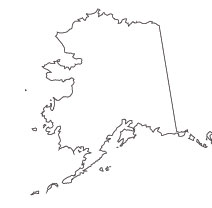
Major firms like Ashburn & Mason, Davis Wright Tremaine, and Dorsey & Whitney LLP operate throughout Alaska, offering paralegals the chance to work on everything from oil and gas transactions to environmental law and indigenous rights cases. With determination and the proper credentials, you can build a rewarding paralegal career in America’s northern frontier.
Alaska Paralegal Requirements
Alaska state law doesn’t require paralegals to meet specific training or education requirements before employment. This flexibility means you can enter the field through various educational paths, from certificate programs to bachelor’s degrees in paralegal studies.
The Alaska Supreme Court’s Rule of Professional Conduct 5.3 establishes the framework for paralegal practice in the state. This rule requires lawyers to provide direct supervision to any nonlawyer assistants, including paralegals. Rule 5.3 also mandates that attorneys instruct their assistants in ethics and confidentiality standards and assume responsibility for their employees’ professional conduct.
While Alaska doesn’t mandate formal education, most employers prefer candidates with paralegal training. The legal field has grown increasingly complex, and attorneys expect paralegals to handle substantial responsibilities. This shift means formal education gives you a competitive advantage in the job market.
Education & Training Options
As the paralegal profession gains prominence within Alaska’s legal community, more aspiring paralegals are choosing formal education as their entry point. Paralegal studies courses are available through certificate and degree programs, each offering distinct advantages.


Certificate Programs
Certificate programs typically take less time to complete than degree programs because they focus exclusively on paralegal skills and do not require general education courses. These programs work well if you already have a bachelor’s degree in another field or want to enter the workforce quickly.
Two types of certificate programs exist:
- Undergraduate Certificates are open to anyone, regardless of prior higher education. These programs usually take 6-12 months to complete.
- Post-Baccalaureate Certificates – Require that you’ve already earned a bachelor’s degree in any subject. These programs offer coursework exclusively in paralegal studies to help you transition into a career.
Degree Programs
Both associate and bachelor’s degrees are available in paralegal studies. Degree programs combine specialized courses in paralegal skills with general education courses that broaden your knowledge base. Degree programs typically take two to five years to complete, depending on the level.
- Associate of Applied Science (AAS) in Paralegal Studies – Two-year programs that balance paralegal coursework with general education requirements. These programs prepare you for immediate employment.
- Bachelor’s Degree in Legal Studies with Paralegal Certificate – Four-year programs offering comprehensive legal education along with paralegal credentials. These degrees can open doors to advancement opportunities and specialized positions.
Choosing an Accredited Program
For any educational program, research whether the school is regionally accredited and whether the program is approved by the American Bar Association (ABA). Employers and bar associations often prefer credentials that meet specific standards. While ABA approval isn’t required for national certification, it can simplify the qualification process for some certification exams and may give you an edge in competitive job markets.
National Certification Options
Paralegals who earn educational certificates are called certificated paralegals. Those who meet education or work experience requirements and pass a national certification exam become certified paralegals. National certification demonstrates your command of the field, earns your colleagues’ esteem, and advances the paralegal profession.
Currently, three professional organizations offer four national certification exams:
- Paralegal Advanced Competency Exam (PACE) – Offered by the National Federation of Paralegal Associations (NFPA), this exam tests advanced paralegal knowledge and requires either 4 years of experience or a bachelor’s degree plus 2 years of experience.
- Paralegal CORE Competency Exam (PCC) – Also offered by NFPA, this entry-level certification requires either a paralegal degree or certificate plus work experience.
- Certified Paralegal (CP) / Certified Legal Assistant (CLA) – Offered by the National Association of Legal Assistants (NALA), this widely recognized certification tests core paralegal knowledge and skills.
- Professional Paralegal (PP) – Offered by the Association for Legal Professionals (NALS), this certification demonstrates professional-level paralegal competency.
ABA-Approved Programs
The American Bar Association approves paralegal education programs that meet specific quality standards. ABA approval indicates a program offers comprehensive paralegal training, qualified instructors, and adequate resources. While Alaska doesn’t require ABA-approved education, and ABA approval isn’t mandatory for national certification, these programs can enhance your credentials and improve job prospects.
When choosing a program, consider ABA approval alongside other factors, such as program format (online vs. on-campus), schedule flexibility, cost, and career services support. ABA-approved programs are often preferred by larger law firms and corporate legal departments, and some national certification organizations accept ABA-approved education as one pathway to exam eligibility.
Paralegal Schools in Alaska
The knowledge required to perform legal support services effectively is gained through formal education in paralegal studies. As attorneys, corporations, and government agencies work within an increasingly complex legal framework, employers in Alaska expect paralegals to take on substantial responsibility that requires certificate or degree training.
Whether you’re just starting and looking to get your paralegal career off the ground or you’re ready to advance and specialize, choosing a paralegal program that will help you achieve your goals is a big decision. Alaska offers both in-state programs and access to quality online options from schools nationwide.
University of Alaska Anchorage
University of Alaska Anchorage (UAA) is a four-year public university in Anchorage, with additional campuses in Fairbanks and Juneau. UAA offers the most comprehensive paralegal education options in Alaska, and all programs are ABA-approved and regionally accredited by the Northwest Commission on Colleges and Universities.
Degree Programs Offered:
- Associate of Applied Science (AAS) in Paralegal Studies – On-campus program providing foundational paralegal education in two years
- Bachelor of Arts (BA) in Legal Studies with AAS in Paralegal Studies – On-campus program combining comprehensive legal education with paralegal credentials in four years
Certificate Programs Offered:
- Legal Nurse Consultant – Paralegal Certificate – On-campus post-associate program for registered nurses seeking paralegal credentials
- Paralegal Studies Certificate – On-campus post-baccalaureate program for those with bachelor’s degrees in other fields
University of Alaska Fairbanks
University of Alaska Fairbanks (UAF) is a four-year public university located in Fairbanks, serving Interior Alaska. UAF’s paralegal programs are ABA-approved and regionally accredited by the Northwest Commission on Colleges and Universities.
Degree Programs Offered:
- Associate of Applied Science (AAS) in Paralegal Studies – On-campus program preparing students for entry-level paralegal positions
- Bachelor’s Degree witha minor in Paralegal Studies – On-campus program allowing students to combine paralegal training with another major field of study
Online Program Options
Many accredited schools nationwide offer online paralegal programs without requiring state residency. Online programs provide flexibility for working adults or those in remote Alaska locations. When considering online programs, verify regional accreditation, check ABA approval status if important to you, and confirm the school has experience serving distance learners. To ensure you have all the information you need to make an informed decision, contact schools directly for details on tuition, online options, and program formats.
Salary & Compensation in Alaska
Alaska’s economy, driven by oil and gas development and a strong military presence, creates solid opportunities for paralegals with the proper credentials and determination. Though Alaska’s population remains among the smallest in the U.S., economic growth in key sectors means opportunities are plentiful, and salaries are competitive for paralegals with the right blend of education, credentials, and experience.
Statewide Salary Overview
As of May 2024, Alaska paralegals earned a median annual salary of $61,120, right in line with the national median of $61,010. The average (mean) salary was $66,560, or about $32.00 per hour, closely matching the national average of $66,510.
| Percentile | Annual Salary | Hourly Wage | Experience Level |
|---|---|---|---|
| 10th | $39,710 | $19.09 | Entry-level |
| 25th | $47,970 | $23.06 | Early career |
| 50th (Median) | $61,120 | $29.39 | Mid-career |
| 75th | $79,060 | $38.01 | Experienced |
| 90th | $95,410 | $45.87 | Senior/Specialized |
Experienced paralegals who have built reputations in the profession and developed expertise in specializations like family law, bankruptcy, personal injury, or immigration law earn salaries at the higher end of the scale. Alaska paralegals in the top 10% earn $95,410 or more annually, which works out to about $45.87 per hour.
Salary by Major City
Geographic location significantly impacts paralegal salaries in Alaska. Anchorage, as the state’s business and communications hub, employs more than two-thirds of Alaska’s 690 paralegals as of May 2024.
| Location | Average Annual Salary | Average Hourly Wage | Top 10% Annual | Top 10% Hourly |
|---|---|---|---|---|
| Rural Alaska | $69,710 | $33.52 | $95,640 | $45.98 |
| Fairbanks | $66,890 | $32.16 | $90,790 | $43.65 |
| Anchorage | $65,540 | $31.51 | $95,600 | $45.96 |
Although Anchorage faced economic challenges from declines in the energy sector, its heavy military presence and transportation industry provide financial stability. Ted Stevens Anchorage International Airport, with three military bases and the state’s busiest transportation operations, is a significant driver of the city’s economy. In addition, Anchorage serves as the communications and finance center for Alaska. Sectors like finance, communications, and logistics offer high wages to paralegals with expertise in these areas.
Factors Affecting Paralegal Salaries
Several factors influence what you’ll earn as an Alaska paralegal:
- Experience and specialization – Paralegals with expertise in high-demand areas like oil and gas law, environmental law, or indigenous rights often command higher salaries
- Employer type – Large law firms and corporations typically pay more than small firms or nonprofit organizations
- Location – Rural areas sometimes offer higher salaries to attract qualified professionals, though the cost of living varies significantly
- Education and certification – National certifications and advanced degrees can increase earning potential
- Practice area – Corporate, energy, and specialized litigation paralegals often earn more than general practice paralegals.
Job Outlook & Career Growth
Alaska’s paralegal profession offers steady opportunities for qualified candidates. As of May 2024, approximately 690 paralegal positions existed statewide, spanning corporate law offices of major companies such as ConocoPhillips, ExxonMobil, and BP Alaska, as well as nonprofits such as Providence Alaska Medical Center in Anchorage and the Alaska Native Health Consortium.
The profession projects approximately 50 annual job openings through 2032. These openings stem from both employment growth and the need to replace paralegals who retire or transition to other careers, creating a mix of new positions and replacement opportunities.
Growth Sectors
Several sectors drive paralegal demand in Alaska:
- Energy and Natural Resources – Oil, gas, and mining operations require paralegals for regulatory compliance, contracts, and environmental matters
- Government and Military – Federal, state, and military installations need legal support staff
- Corporate Legal Departments – Large businesses maintain in-house legal teams
- Healthcare – Hospitals and healthcare organizations need paralegals for compliance, risk management, and medical malpractice matters
- Indigenous Law – Alaska Native corporations and tribal entities require legal support for land claims, natural resources, and governance
Career Advancement Opportunities
Experienced paralegals in Alaska can advance through several paths:
- Specializing in high-demand practice areas
- Moving into senior paralegal or paralegal manager roles
- Transitioning to legal operations or compliance positions
- Working for federal agencies or military installations
- Pursuing additional education for law school or legal administration
Professional Associations
Alaska has three active professional paralegal associations that provide continuing education, networking opportunities, and support for career development.
Alaska Association of Paralegals (AAP)
Based in Anchorage, the Alaska Association of Paralegals (AAP) is an affiliate of the National Federation of Paralegal Associations (NFPA). AAP offers continuing education, a job bank, networking opportunities, and current information about the paralegal profession to its members. The association also helps members prepare for national certification through the PACE and PCC exams.
AAP actively works toward voluntary paralegal certification within Alaska and offers five membership classes:
- Full Membership – Open to any employed paralegal
- Associate Membership – Open to anyone interested in the paralegal profession
- Student Membership – Open to any full-time student who isn’t employed as a paralegal
- Sustaining Membership – Open to any group, association, law firm, corporation, institution, or person interested in supporting AAP
- Government Membership – Open to any employee of a city, state, federal, or military branch of government
NALS of Anchorage
NALS of Anchorage represents legal support staff, including paralegals and legal secretaries. The organization offers continuing legal education, support for those seeking national certification, and networking opportunities. NALS focuses on increasing the professionalism of legal support workers and helping members enhance their skill levels.
Fairbanks Association of Legal Assistants (FALA)
Fairbanks is home to the northernmost affiliate of the National Association of Legal Assistants. The Fairbanks Association of Legal Assistants (FALA), part of the Alaska ALA, organizes continuing education hours for members, promotes professional development, supports members pursuing national certification through the CLA/CP exam, and establishes good working relationships with other legal groups in Interior Alaska. FALA also offers social activities, scholarships, and advocacy for the paralegal profession.
FALA offers membership levels, including Active, Associate, and Student memberships (which require a current NALA membership), as well as Sustaining Memberships for individuals, organizations, and institutions.
Major Employers & Law Firms
Law firms provide excellent entry points into paralegal careers. Large firms often hire more paralegals than other employers and offer structured training programs.
Alaska’s Major Law Firms
Prominent law firms operating in Alaska include:
- Jermain, Dunnagan & Owens, P.C.
- Cook Schuhmann & Groseclose, Inc.
- Patton Boggs LLP
- Hartig Rhodes Hoge & Lekisch, P.C.
- Davis Wright Tremaine LLP
- Perkins Coie
- DeLisio Moran Geraghty & Zobel, P.C.
- Atkinson, Conway & Gagnon, Inc.
- Baxter Bruce & Sullivan P.C.
- Burr Pease Kurtz
- Stoel Rives LLP
- Manley & Brautigam, P.C.
- Durrell Law Group, P.C.
- Tindall Bennett & Shoup, P.C.
- Law Offices of Janet L. Bolvin
Important Contacts for Alaska Paralegals
- Alaska Bar Association
- Alaska Division of Corporations, Business and Professional Licensing
- Alaska Court System
Frequently Asked Questions
Does Alaska require paralegal certification or licensing?
No, Alaska doesn’t require paralegals to obtain certification or meet specific education requirements before employment. However, most employers prefer candidates with formal paralegal education through certificate or degree programs. The Alaska Supreme Court’s Rule of Professional Conduct 5.3 requires attorneys to supervise paralegals directly and provide ethics training, but doesn’t mandate paralegal certification.
How long does it take to become a paralegal in Alaska?
The timeline depends on your chosen educational path. Certificate programs typically take 6-12 months to complete. An Associate of Applied Science degree takes about two years, while a bachelor’s degree in legal studies requires four years. Post-baccalaureate certificate programs for those with existing bachelor’s degrees can be completed in 6 to 18 months.
What is the average paralegal salary in Alaska?
As of May 2024, Alaska paralegals earn a median salary of $61,120 annually (about $29.39 per hour). Entry-level paralegals (10th percentile) earn around $39,710, while experienced paralegals in the top 10% earn $95,410 or more. Salaries vary by location, with Anchorage averaging $65,540 and rural Alaska averaging $69,710 annually.
Can I work as a paralegal in Alaska without a degree?
Yes, Alaska law doesn’t mandate formal education for paralegals. However, the legal field’s increasing complexity means most employers prefer candidates with paralegal certificates or degrees. You’ll face stronger competition and potentially lower starting salaries without formal training. Consider completing at least a certificate program to demonstrate your commitment and competency.
Are online paralegal programs accepted in Alaska?
Yes, Alaska employers accept online paralegal programs from regionally accredited schools. Online programs work well for those in remote Alaska locations or working adults needing schedule flexibility. When choosing an online program, verify regional accreditation and consider whether the program is approved by the American Bar Association (ABA), which some employers prefer.
What does ABA approval mean for paralegal programs?
American Bar Association (ABA) approval indicates a paralegal program meets specific quality standards for curriculum, faculty qualifications, and resources. While Alaska doesn’t require ABA-approved education, and ABA approval isn’t mandatory for national certification, these programs can enhance your credentials and improve job prospects. ABA-approved programs are often preferred by larger law firms and corporate legal departments, and some certification organizations accept ABA-approved education as one pathway to exam eligibility.
Should I pursue national paralegal certification?
National certification isn’t required in Alaska, but it demonstrates advanced competency and commitment to the profession. Certifications like NALA’s CP/CLA, NFPA’s PACE or PCC, or NALS’ PP can increase your earning potential and competitiveness for senior positions. Consider certification after gaining some work experience or if you’re targeting positions with larger firms or federal agencies.
What are the job prospects for paralegals in Alaska?
As of May 2024, Alaska employs approximately 690 paralegals with about 50 annual job openings projected through 2032. These openings include both new positions from employment growth and replacement opportunities as current paralegals retire or change careers. Opportunities exist in law firms, corporate legal departments, government agencies, and nonprofit organizations. The strongest demand exists in Anchorage, which employs more than two-thirds of the state’s paralegals, though opportunities also exist in Fairbanks, Juneau, and other communities.
Key Takeaways
- Alaska doesn’t require paralegal certification or specific education, but most employers prefer formal training through certificate or degree programs.
- The Alaska Supreme Court’s Rule 5.3 requires attorney supervision of paralegals and mandates ethics training.g
- Educational options range from 12-month certificate programs to four-year bachelor’s degrees in legal studies.
- As of May 2024, Alaska paralegals earn a median salary of $61,120, with top earners making $95,410 or more.e
- Approximately 690 paralegals work in Alaska, with 50 annual job openings projected through 2032 (including both new positions and replacement opportunities)
- Anchorage employs more than two-thirds of Alaska’s paralegals, though opportunities exist statewide.
- National certification through NALA, NFPA, or NALS can enhance credentials and career advancement potential.l
- Three active professional associations (AAP, NALS of Anchorage, and FALA) provide networking and continuing education.on
- Strong demand exists for paralegals with expertise in energy law, indigenous law, and environmental matters.
- Both the University of Alaska Anchorage and the University of Alaska Fairbanks offer ABA-approved paralegal programs.
- ABA approval isn’t required for national certificatio,n but can enhance credentials and is often preferred by larger employers
Ready to Start Your Alaska Paralegal Career?
Alaska’s legal sector offers diverse opportunities from Anchorage’s corporate firms to government positions throughout the state. Explore accredited paralegal programs that fit your schedule and career goals.
Salary Disclaimer: 2024 US Bureau of Labor Statistics salary and job market figures for Paralegals and Legal Assistants reflect state and national data, not school-specific information. Conditions in your area may vary. Data accessed December 2025.