
Nebraska doesn’t require paralegal certification, but completing an ABA-approved program strengthens your credentials. You can choose from certificate programs ($3,000-$8,000), associate degrees, or bachelor’s degrees at institutions such as the College of Saint Mary and Metropolitan Community College. The median paralegal salary in Nebraska is $62,850, with approximately 1,570 paralegals working throughout the state.
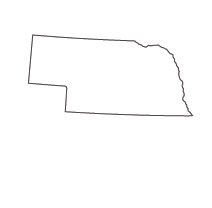
Grounded by major metropolitan areas like Lincoln and Omaha, Nebraska has maintained a strong economy that supports a robust paralegal profession. Whether you want to explore opportunities in Nebraska’s corporate sector with companies like Union Pacific, TD Ameritrade, and ConAgra Foods, or specialize in areas like litigation, bankruptcy law, and immigration law by securing a position with major law firms like Kutak Rock or McGrath North Mullin & Kratz, you’ll find plenty of reasons to launch your paralegal career in Nebraska.
Getting started means understanding Nebraska’s approach to paralegal education and professional standards. While the state doesn’t mandate specific educational requirements, employers increasingly prefer candidates with formal training and professional credentials. This guide walks you through everything you need to know about becoming a paralegal in Nebraska, from education options to salary expectations.


Education Requirements in Nebraska
Nebraska defines paralegals as paraprofessionals and sets forth expectations of professional conduct in Rule § 3-505.3. Under this rule, paralegals must work under the supervision of attorneys, who are responsible for instructing them in professional conduct and ethics. Supervising attorneys must also assume responsibility for their nonlawyer employees’ professional conduct.
The state doesn’t require certification or education for those seeking to become paralegals. On-the-job training, education, or a combination of the two will allow aspiring paralegals to enter the profession. However, in a competitive job market, many aspiring paralegals find that formal education sets them apart from their peers and opens doors to better opportunities.
Certificate Programs
Certificate programs offer focused coursework in paralegal studies, usually with few general education classes. Students who complete these programs earn certificates of completion and become certificated paralegals. There are two types of certificate programs: those that require students to have previously earned a bachelor’s degree in any subject, and those that accept students without a bachelor’s degree. These programs typically range from several months to two years and provide concentrated training in legal procedures, research, and documentation.
Degree Programs
Aspiring paralegals may also choose to earn a degree in paralegal studies. Degrees combine specialized paralegal education with general education requirements. Associate, bachelor’s, or master’s degree programs in paralegal studies are currently available to interested students. Associate degrees typically take two years, bachelor’s degrees take four years, and master’s programs generally require one to two years of graduate study. When selecting a program, consider schools with ABA approval, which signals the curriculum meets national standards for paralegal education.
Certification Options
It’s essential to understand the difference between being a certificated paralegal and a certified paralegal. Certificated paralegals have completed a certificate program, while certified paralegals have passed a voluntary national certification exam offered by professional paralegal associations.
National Certification Exams
Paralegals who want to distinguish themselves as qualified professionals may sit for one of the voluntary national certification exams offered by national professional paralegal associations. To qualify for these exams, paralegals must meet educational and experiential requirements.
Currently, there are four different exams from which to choose:
- The PACE (Paralegal Advanced Competency Exam) is offered by the National Federation of Paralegal Associations (NFPA)
- The PCCE (Paralegal CORE Competency Exam) is also provided by the National Federation of Paralegal Associations (NFPA)
- The CLA/CP (Certified Legal Assistant/Certified Paralegal) is offered by the National Association of Legal Assistants (NALA)
- The PP (Professional Paralegal) provided by the Association for Legal Professionals (NALS)
While certification isn’t required in Nebraska, earning one of these credentials demonstrates your commitment to the profession and can make you more competitive in the job market. Many employers prefer or require certification, particularly for senior paralegal positions.
Nebraska Paralegal Programs
The body of knowledge required to perform legal support services effectively comes from formal education in paralegal studies. As attorneys, corporations, and government agencies work within an increasingly complex legal framework, the level of responsibility they expect paralegals to handle has also increased. Law offices and other employers in Nebraska have come to rely on paralegals with the kind of expertise that only comes from earning a certificate or degree in paralegal studies.
From the halls of Omaha’s county courthouses to the boardrooms of Lincoln’s largest law firms, paralegals serve as valuable members of legal teams. Thanks to a growing job market for legal support professionals, there’s no shortage of opportunities in Nebraska. Having a wide array of on-campus and online programs makes it easier than ever to enter or advance in the profession.
Bellevue University
BS in Legal Studies – Available online and on campus
College of Saint Mary
Associate of Arts (AA) in Paralegal Studies – Campus-based program
Bachelor of Arts (BA) in Paralegal Studies – Campus-based program
Certificate in Paralegal Studies (post-baccalaureate) – Campus-based program
Paralegal Studies Minor – Available only for nursing students enrolled in a bachelor’s degree program
Metropolitan Community College
Associate of Applied Science (AAS) in Legal Studies – Paralegal Option – Campus-based program
Legal Studies – Paralegal Accelerated Certificate (post-baccalaureate) – Campus-based program for students who already hold a bachelor’s degree
University of Nebraska Omaha
BS in Business Administration with Concentration in Legal Studies – Campus-based program combining business and legal education
University of Nebraska-Lincoln
Master of Legal Studies – Campus-based graduate program for advanced legal education
Salary and Job Outlook
Whether working in the legal department of Lincoln’s National Research Corporation or gaining valuable experience in a law specialty like family law, litigation, or labor law with one of Omaha’s largest law firms, prospects for paralegals throughout Nebraska remain positive. A low cost of doing business and a business-friendly regulatory climate have made Nebraska attractive to new companies, primarily concentrated in the economic hub of Omaha. Major employers include Berkshire Hathaway, ConAgra, Mutual of Omaha, and TD Ameritrade. For paralegals with expertise in areas like labor law and intellectual property, Nebraska’s corporate environment offers excellent opportunities for career growth.
Statewide Salary Data
As of May 2024, the average salary for paralegals in Nebraska was $62,850, or $30.22 per hour. There’s substantial room for growth in the paralegal profession, particularly for those who focus their careers on gaining experience in one or more legal specialties. The top 10% of earners in Nebraska made $88,540 or more annually ($42.57 per hour), nearly $26,000 above the state average. For context on how Nebraska compares nationally, see our comprehensive paralegal salary guide.
Nebraska had approximately 1,570 paralegal jobs as of May 2024, which compares favorably with neighboring states like South Dakota (660 paralegals) and Wyoming (530 paralegals), though slightly fewer than Iowa’s 2,530 paralegal jobs.
Job Market Outlook
A steady 5.9% rise in the number of active lawyers in Nebraska between 2011 and 2021 indicates that the legal services industry and its employment of paralegals will continue to show positive gains. As of 2024, the American Bar Association reports 5,839 resident lawyers in Nebraska, underscoring continued demand for paralegal services.
Salary by City and Region
Nebraska’s metro regions offer varying salary ranges, reflecting local economies and legal market demand. The Omaha-Council Bluffs metro region reports the highest average and top percentile salaries for paralegals, which isn’t surprising given its diverse, robust economy, which includes several Fortune 500 companies.
| Location | Average Salary | Hourly Wage | Top 10% Salary | Top 10% Hourly |
|---|---|---|---|---|
| Omaha-Council Bluffs Metro | $65,510 | $31.50 | $93,530 | $44.97 |
| Lincoln | $63,160 | $30.36 | $85,820 | $41.26 |
| Rural Northeast Nebraska | $55,720 | $26.79 | $70,070 | $33.69 |
| Rural Northwest Nebraska | $51,470 | $24.74 | $70,030 | $33.67 |
| Rural South Nebraska | $48,090 | $23.12 | $73,350 | $35.27 |
Professional Associations
Joining a professional paralegal association provides networking opportunities, continuing education, mentoring, and career resources. Nebraska paralegals have access to both state and regional organizations.
Nebraska Paralegal Association (NePA)
An affiliate of NALA, the Nebraska Paralegal Association (NePA) has more than 200 members from across the state, including professional paralegals, students, educators, and attorneys. NePA is committed to developing the role of the professional paralegal by providing the public with information about the profession and by supporting high professional standards. To this end, NePA provides continuing legal education (CLE), seminars, information sharing and networking opportunities, a mentoring program, and support for student paralegals or paralegals preparing to take NALA’s CLA/CP exam.
NePA offers four levels of membership:
- Active – For practicing paralegals
- Distance – For members outside the immediate area
- Associate – For those who support the paralegal profession
- Student – For students enrolled in paralegal programs
Rocky Mountain Paralegal Association (RMPA)
Nebraska’s paralegals may also join the Rocky Mountain Paralegal Association (RMPA), headquartered in Colorado but with members across Colorado, Nebraska, Utah, Wyoming, and South Dakota. The RMPA is affiliated with the NFPA and provides support to those who choose to take the PACE or PCCE exams. The RMPA also works to represent paralegals from throughout the Rocky Mountains in national conversations about the profession and provides networking and educational opportunities to members.
RMPA offers four membership levels:
- Voting Member – Must be an employed paralegal
- Associate Member – Open to individuals who support the RMPA
- Sustaining Member – Open to firms, organizations, and businesses that support the RMPA
- Student Member – Open to students enrolled in a paralegal program
Career Resources
Major Law Firms
Large law firms are excellent sources of employment for paralegals. In Nebraska, Lincoln and Omaha are home to several prominent firms, including:
- Kutak Rock LLP
- McGrath North Mullin & Kratz, PC LLO
- Baird Holm LLP
- Fraser Stryker
- Koley Jessen P.C.
- Berry Law
- Johnson Flodman Guenzel & Widger
- Abboud Law Firm
Important Contacts
- Nebraska Paralegal Association (NePA), affiliated with NALA
- Rocky Mountain Paralegal Association (RMPA), affiliated with the NFPA
- Nebraska State Bar Association
- Nebraska Secretary of State
- Nebraska Judicial Branch
Frequently Asked Questions
Does Nebraska require certification to work as a paralegal?
No, Nebraska doesn’t require paralegal certification or specific educational credentials. However, most employers prefer candidates with formal education from certificate or degree programs. While you can enter the profession through on-the-job training, completing an ABA-approved program significantly improves your job prospects and earning potential.
How long does it take to become a paralegal in Nebraska?
The timeline depends on your educational path. Certificate programs typically take 6-18 months, associate degrees require two years, and bachelor’s degrees take four years. Post-baccalaureate certificate programs designed for those who already have a degree can often be completed in less than a year. If you’re working while studying, part-time programs extend these timelines.
What’s the average paralegal salary in Nebraska?
The average paralegal salary in Nebraska is $62,850 per year, or $30.22 per hour, as of May 2024. Salaries vary by location, with Omaha-Council Bluffs averaging $65,510 and Lincoln averaging $63,160. Top earners (90th percentile) in the state make $88,540 or more annually. Your salary will depend on factors including your education, certification, experience, and the type of law practice.
Can I work as a paralegal without a degree in Nebraska?
Yes, you can work as a paralegal in Nebraska without a degree, since the state doesn’t require a degree. However, most employers prefer or require formal education. If you don’t have a paralegal degree, completing a certificate program or earning national certification through NALA or NFPA can demonstrate your competence and commitment to the profession.
Are online paralegal programs accepted in Nebraska?
Yes, online paralegal programs are accepted in Nebraska, provided they’re from accredited institutions. Many Nebraska employers recognize online degrees and certificates, especially from regionally or nationally accredited schools. If you’re considering an online program, look for ABA approval, which signals the program meets national standards for paralegal education.
What’s the difference between ABA approval and accreditation?
Accreditation refers to the institution’s overall quality standards evaluated by regional or national accrediting bodies. ABA approval is specific to paralegal programs and indicates the curriculum meets American Bar Association standards for paralegal education. While ABA approval isn’t required in Nebraska, it’s a strong credential that can help you meet eligibility requirements for national certification exams.
What’s the job outlook for paralegals in Nebraska?
The job outlook for paralegals in Nebraska is positive. The state employs approximately 1,570 paralegals, and the number of active lawyers has grown by 5.9% between 2011 and 2021. With 5,839 resident lawyers as of 2024 and continuing growth in Nebraska’s legal sector, demand for qualified paralegals remains steady, particularly in Omaha and Lincoln’s corporate and litigation practices.
Key Takeaways
- Nebraska doesn’t require certification, but formal education from certificate or degree programs significantly improves your competitiveness in the job market
- Nebraska paralegals earn an average of $62,850 annually, with top earners making $88,540 or more, and salaries varying by region
- You can choose from multiple educational paths, including certificates, associate degrees, bachelor’s degrees, or master’s programs at institutions throughout Nebraska
- The state employs approximately 1,570 paralegal,s with steady job growth supported by 5,839 resident lawyers and a thriving business environment
- Professional associations like NePA and RMPA provide valuable networking, continuing education, and career development opportunities
- Major employment opportunities exist in Omaha and Lincoln with prominent law firms and corporate legal departments at Fortune 500 companies
Ready to Start Your Paralegal Career in Nebraska?
Explore ABA-approved paralegal programs in Nebraska and discover your path to a rewarding legal career with strong salary potential and steady job growth.
Salary Disclaimer: 2024 US Bureau of Labor Statistics salary and job market figures for Paralegals and Legal Assistants reflect state and national data, not school-specific information. Conditions in your area may vary. Data accessed December 2025.