
The best legal documentaries for paralegals include Serial, Making a Murderer, and The Central Park Five. These films showcase investigative procedures, evidence handling, wrongful convictions, and the real-world complexities of the justice system that paralegals encounter daily.
True crime documentaries offer paralegals something Hollywood courtroom dramas can’t: authentic glimpses into how the legal system actually works. These films skip the car chases and conspiracies to focus on real cases, showing the meticulous investigation, evidence analysis, and procedural work that defines legal careers.


The documentaries featured here go beyond entertainment. They showcase investigative techniques, reveal the consequences of legal errors, and demonstrate the critical role paralegals play in building cases. Whether you’re studying to become a paralegal or working in the field, these films provide valuable insights into criminal procedure, evidence standards, and the human stories behind landmark cases.
Documentary Quick Comparison
| Documentary | Year | Format | Legal Focus | Paralegal Value |
|---|---|---|---|---|
| Serial | 2014 | Podcast Series | Murder conviction appeal | Investigation techniques, evidence review |
| Making a Murderer | 2015 | Netflix Series | Wrongful conviction, evidence tampering | Evidence integrity, prosecutorial conduct |
| The Central Park Five | 2012 | Film | Wrongful conviction, race in justice | Case preparation, compensation claims |
| The Smartest Guys in the Room | 2005 | Film | Corporate fraud, white-collar crime | Document analysis, financial evidence |
| The Jinx | 2015 | HBO Series | Multiple murders, evidence discovery | Interview techniques, new evidence |
| West of Memphis | 2012 | Film | Wrongful conviction, prosecutorial overreach | Appeals process, exonerations |
| The Thin Blue Line | 1988 | Film | Death penalty case, police misconduct | Investigative work, evidence gathering |
| Witch Hunt | 2008 | Film | Mass accusations, testimony coaching | Witness credibility, procedural reform |
| Scottsboro: An American Tragedy | 2001 | Film | Historical wrongful conviction | Court systems, racial justice |
| Indivisible | 2016 | Film | Immigration law, civil rights | Immigration cases, documentation |
1. Serial
Serial transcended the documentary format to become a cultural phenomenon. The podcast’s first season investigated the 1999 murder of Hae Min Lee and the conviction of her ex-boyfriend, Adnan Masud Syed. While the podcast brought renewed public attention to the case, Syed’s eventual retrial was granted based on Brady violations and claims of ineffective counsel, not on the podcast’s findings.
The series hooked millions of listeners worldwide by following a developing case with unresolved questions about guilt and innocence. It became one of the most downloaded podcast series and earned a Peabody Award in 2015. For paralegals, Serial demonstrates the power of thorough case review and how fresh investigation can uncover overlooked evidence years after conviction.
The show’s attention to legal procedure, trial strategy, and evidence analysis makes it essential listening. You’ll see how investigators piece together timelines, evaluate witness credibility, and identify gaps in the prosecution’s case. The documentary format allows deep exploration of individual pieces of evidence, showing the kind of detailed analysis paralegals perform daily.
2. Making a Murderer
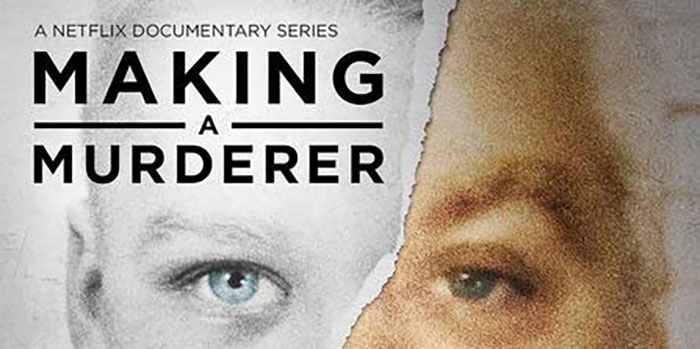
Making a Murderer follows Steven Avery’s troubling encounters with the criminal justice system. In 1985, Avery was wrongfully convicted of rape and attempted murder. DNA evidence exonerated him after he served 18 years of a 32-year sentence, publicly embarrassing the Manitowoc County Sheriff’s Department.
The story takes a disturbing turn when Avery was arrested again in 2005 for another murder and convicted in 2007 to life in prison. The timing raised immediate questions since Avery was actively suing for wrongful conviction in the first case. Making a Murderer explores allegations of evidence tampering and prosecutorial misconduct, presenting the possibility of law enforcement retaliation.
Paralegals will find value in the documentary’s examination of the evidence chain of custody, the appeals process, and how improper procedures can contaminate cases. The series shows why meticulous documentation and proper evidence handling are critical to preventing wrongful convictions.
3. The Central Park Five
When Ken Burns produces a documentary, it demands attention. The Central Park Five examines one of the most controversial wrongful conviction cases in American history. In 1989, five teenagers (one Hispanic, four Black) were convicted of raping a white woman in Central Park based on coerced confessions. All five were later exonerated when DNA evidence identified the actual perpetrator.
Burns’ daughter and co-director, Sarah Burns, conducted extensive legal research on the case and gained legal experience while working on the defendants’ compensation efforts. This insider perspective provides authentic insight into the legal work required to seek justice after a wrongful conviction. The documentary received a Peabody Award in 2013 for its examination of race, mob mentality, and systemic failures in the justice system.
For paralegals, the film demonstrates the importance of thorough investigation, proper interrogation procedures, and the consequences when legal standards aren’t followed. It’s a powerful reminder of the profession’s role in protecting defendants’ rights and ensuring fair trials.
4. The Smartest Guys in the Room
Most criminal documentaries focus on violent crime, but The Smartest Guys in the Room focuses on white-collar crime. The film examines the accounting fraud and cover-ups that led to Enron’s spectacular collapse in 2001, one of the largest corporate bankruptcies in American history.
The investigation resulted in indictments for many Enron executives and twenty convictions, including accountants and lawyers from outside firms who assisted in the fraud. The documentary illustrates how white-collar cases sprawl across multiple parties and jurisdictions, requiring extensive document analysis and financial expertise.
Paralegals working in corporate legal departments will appreciate the film’s breakdown of complex financial schemes, whistleblower testimony, and the massive discovery process involved in prosecuting corporate fraud. The case demonstrates why attention to detail in financial documentation is critical for building successful prosecutions.
5. The Jinx
The Jinx captured one of the most dramatic moments in documentary history. The HBO mini-series about suspected multi-murderer Robert Durst recorded him muttering, “Killed them all, of course,” in a bathroom while wearing a hot microphone he didn’t realize was still recording. While ambiguous and not a formal confession, the statement became crucial evidence.
The documentary’s investigation and this recorded moment contributed to Durst’s arrest and murder charges. The series shows how new investigative work can break open cold cases, even decades after the crimes occurred. Durst’s on-camera interviews demonstrate the importance of careful questioning techniques and the value of letting subjects speak freely.
For paralegals, The Jinx illustrates how fresh evidence can revive old investigations and the legal procedures involved in charging someone based on newly discovered information. The series also shows how documentary evidence, including audio and video recordings, can become crucial trial exhibits.
6. West of Memphis
Peter Jackson isn’t just a fantasy filmmaker. As co-producer of West of Memphis, he demonstrates his skill with real-world drama. The documentary examines the case of the West Memphis Three, teenagers convicted in 1994 of murdering three children in Arkansas in what prosecutors claimed was a Satanic ritual.
The film traces the investigation, trial, imprisonment, and eventual release of the three men after serving 18 years. It exposes serious issues with the original investigation, including lost evidence, inadequate forensic work, and prosecutorial overreach driven by moral panic rather than solid evidence.
Paralegals can learn from the documentary’s examination of how appeals work, what constitutes grounds for post-conviction relief, and the extensive legal work required to overturn wrongful convictions. The case shows why maintaining complete case files and proper evidence documentation is essential for both prosecution and defense.
7. The Thin Blue Line
Errol Morris pioneered the modern true crime documentary style with The Thin Blue Line. Drawing on his background as a private investigator, Morris investigated the shooting of a police officer and the death sentence of a man who may not have committed the murder.
Morris’s investigative work was so thorough that the film itself became part of the legal process, with evidence from his investigation contributing to the convicted man’s eventual exoneration. The documentary demonstrates the value of treating every piece of evidence skeptically and conducting an independent investigation rather than relying solely on police reports.
For paralegals, the film demonstrates proper investigative techniques and evidence-gathering. It’s also a cautionary tale about prosecutorial misconduct and the importance of maintaining ethical standards throughout the legal process. Morris’s attention to detail and systematic approach to investigation serve as a model for legal support professionals.
8. Witch Hunt
Child abuse cases are among the most difficult and emotionally draining work in the legal field. Narrated by Sean Penn, Witch Hunt examines the mass daycare abuse accusations in Kern County, California, during the 1980s. Prosecutors convicted 36 people of participation in what they claimed was a Satanic cult ritualistically abusing children.
As many as 60 children testified about abuse. Later investigation revealed many children had been coached to provide false testimony. Thirty-four convictions were eventually reversed, and many accusers recanted their statements. The case exposed serious flaws in how child witness interviews were conducted and how suggestive questioning can produce unreliable testimony.
The documentary led to necessary procedural reforms that all paralegals should understand, particularly regarding proper protocols for interviewing child witnesses and the importance of objective investigation over confirmation bias. The case demonstrates how mass hysteria and moral panic can override sound legal procedure.
9. Scottsboro: An American Tragedy
Scottsboro: An American Tragedy examines a historical case that still resonates today. In 1931, nine Black teenagers were convicted of rape in Alabama without credible evidence. The case became a landmark in American legal history, exposing systemic racism in the Southern court system and leading to two pivotal Supreme Court decisions: Powell v. Alabama (establishing the right to effective legal counsel) and Norris v. Alabama (addressing racial discrimination in jury selection).
The documentary provides an unvarnished look at pre-war Southern justice and the devastating effect wrongful convictions had on the accused men’s lives. Several defendants spent years in prison, with one dying in custody, before the cases were finally resolved decades later.
For modern paralegals, the Scottsboro case illustrates the critical importance of impartial court systems, adequate defense representation, and procedural safeguards. It serves as a historical foundation for understanding why current standards for evidence, witness testimony, and defendant rights exist. The case also shows how public pressure and civil rights advocacy can drive legal reform.
10. Indivisible
Immigration law generates intense debate in American society. Indivisible focuses on Dreamers, individuals brought to the United States illegally as young children, raised as Americans, yet technically undocumented and facing potential deportation.
The documentary follows three young people fighting to secure the same rights as their peers. Their cases involve complex immigration law, documentation challenges, and unresolved civil rights questions that persist even as immigration policy continues to evolve. The film captures the human cost of legal limbo and the practical difficulties of navigating immigration courts.
Paralegals working in immigration law will recognize the documentation-intensive nature of these cases. The film illustrates the importance of thorough record-keeping, the complexity of immigration statutes, and how policy changes can dramatically affect pending cases. It’s a timely look at an area of law that requires both technical expertise and sensitivity to the human stakes involved.
Frequently Asked Questions
Why should paralegals watch legal documentaries?
Legal documentaries provide real-world insights into investigation techniques, evidence handling, trial procedures, and the consequences of legal errors. They show authentic cases rather than Hollywood dramatizations, offering valuable lessons about proper legal procedures, ethical challenges, and the importance of thorough case work. Many documentaries feature actual legal professionals and demonstrate investigative techniques paralegals use daily.
Can documentaries help with paralegal education?
Yes, documentaries complement formal paralegal education by showing how legal concepts apply in real cases. They demonstrate evidence analysis, witness interviewing, case investigation, and appeals procedures in actual legal scenarios. Students can see the practical application of criminal procedure, evidence rules, and ethical standards they study in coursework. Many paralegal instructors recommend specific documentaries to illustrate key concepts.
Are these documentaries suitable for different paralegal specializations?
While most of these documentaries focus on criminal law, the investigative techniques, evidence handling, and procedural issues they cover apply across specializations. The Smartest Guys in the Room specifically addresses corporate law and white-collar crime. Indivisible focuses on immigration law. Serial, Making a Murderer, and The Central Park Five demonstrate case investigation and evidence review relevant to any practice area. Paralegals in all fields can learn from the attention to detail and procedural standards these documentaries showcase.
Where can I watch these documentaries?
Serial is available as a free podcast on major podcast platforms. Netflix periodically carries Making a Murderer and several other titles. HBO Max features The Jinx. Many documentaries are available for rent or purchase on Amazon Prime, iTunes, or Google Play. Some titles may be available through educational streaming services if you’re enrolled in a paralegal program. Check your local library, as many offer free streaming services with documentary selections.
What makes a legal documentary valuable for professional development?
The best legal documentaries for professional development show actual legal procedures, demonstrate investigative techniques, reveal the consequences of procedural errors, and present ethical challenges faced by legal professionals. They should feature real cases with verifiable outcomes rather than dramatizations. Documentaries that show document analysis, evidence chain of custody, witness interviews, and appeals procedures provide the most practical value for paralegals seeking to understand how their work impacts case outcomes.
How do wrongful conviction documentaries relate to paralegal work?
Wrongful conviction documentaries demonstrate why proper evidence handling, thorough investigation, and adherence to legal procedures are critical. They show how minor errors or shortcuts in case preparation can have devastating consequences. Paralegals play a key role in preventing wrongful convictions by maintaining accurate records, properly tracking evidence, ensuring deadlines are met, and flagging potential procedural issues. These documentaries underscore the paralegal’s role in protecting defendants’ rights and ensuring fair trials.
Key Takeaways
- Legal documentaries provide authentic insights into real cases, showing investigation techniques and procedures that paralegals use daily
- Serial demonstrates how thorough case review can uncover overlooked evidence years after conviction
- Making a Murderer and The Central Park Five show why proper evidence handling and procedural adherence are critical
- The Smartest Guys in the Room offers rare insight into white-collar crime prosecution and document-intensive corporate cases
- Multiple documentaries expose the consequences of legal errors, reinforcing the importance of paralegal attention to detail
- These films cover various specializations including criminal law, corporate fraud, immigration, and civil rights
- Many documentaries featured here contributed to actual legal outcomes, including case reviews and exonerations
Ready to Start Your Paralegal Career?
Explore ABA-approved paralegal programs and take the first step toward working on cases that make a difference.